Best Value
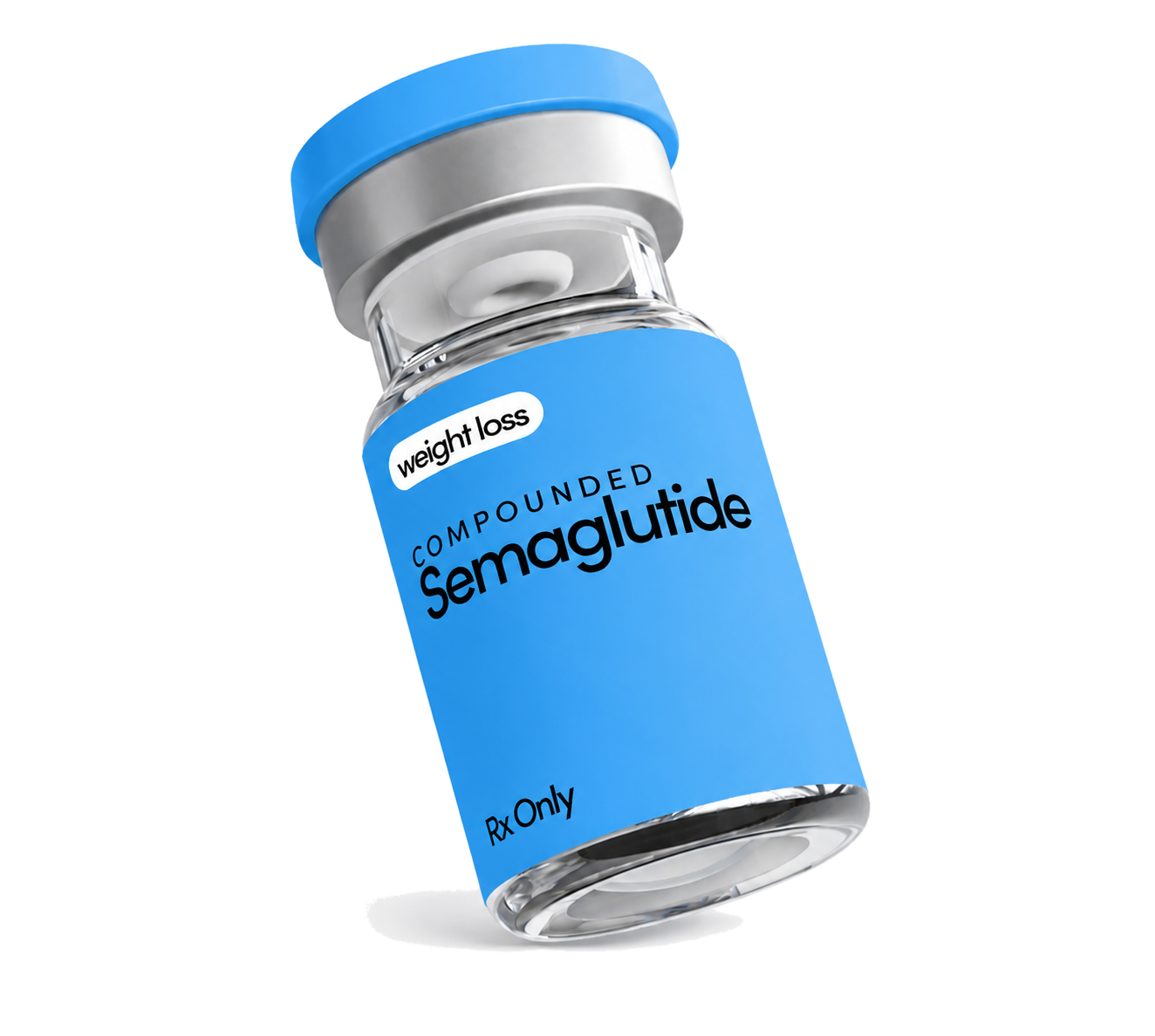
from$99/mo
SemaglutideRx
GLP-1 Receptor Agonist

SemaglutideRx
GLP-1 Receptor Agonist
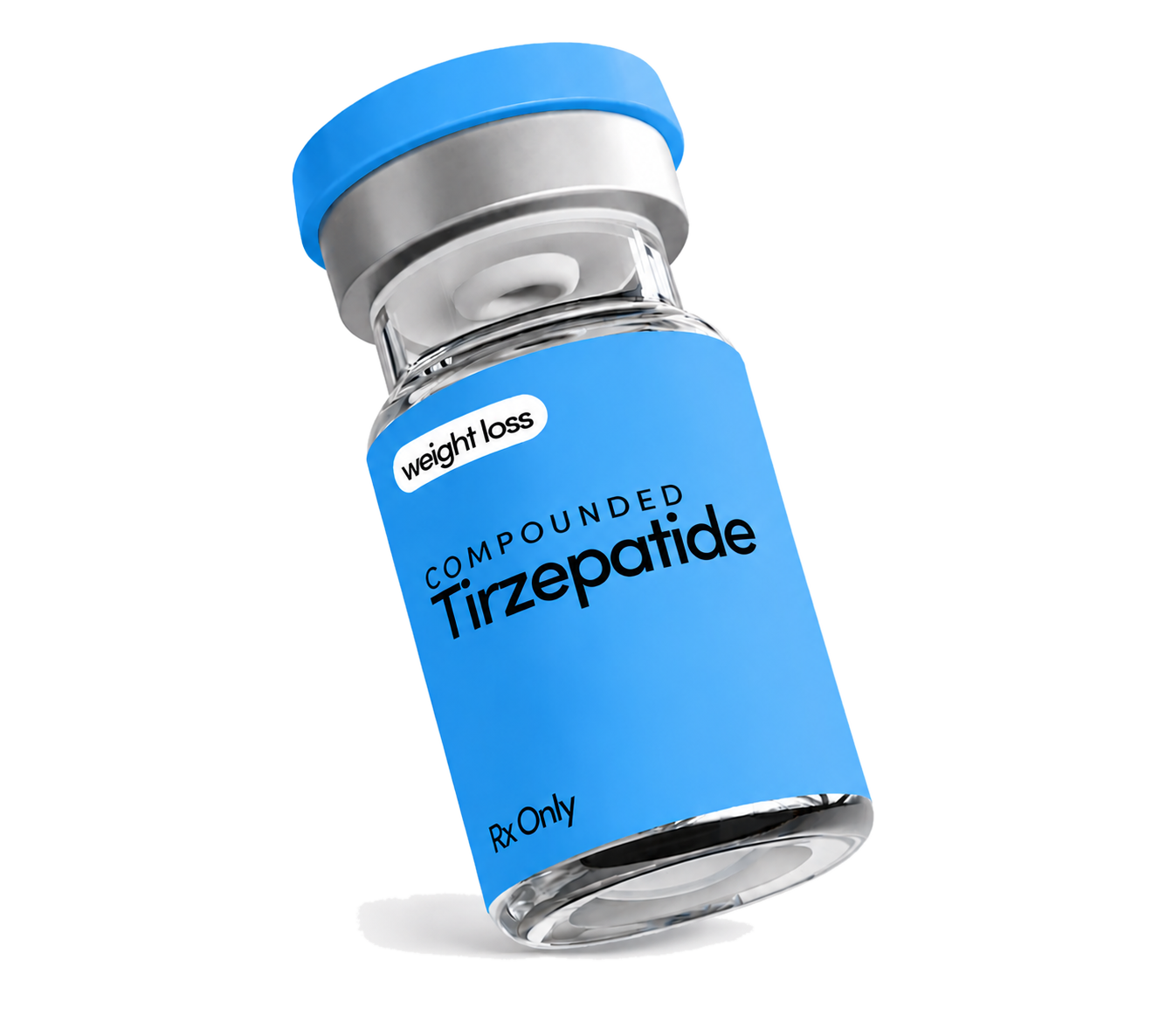
TirzepatideRx
Dual GLP-1 + GIP Receptor Agonist
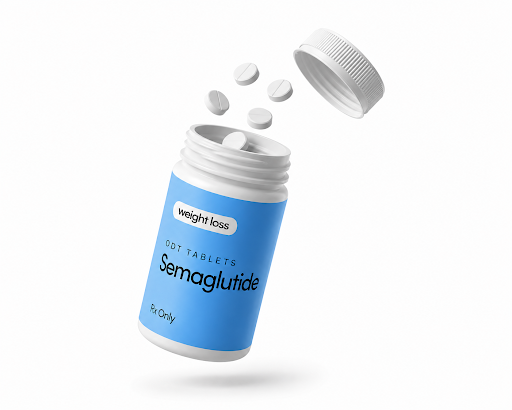
Semaglutide ODT PillsRx
GLP-1 Receptor Agonist - Oral Dissolving Tablet
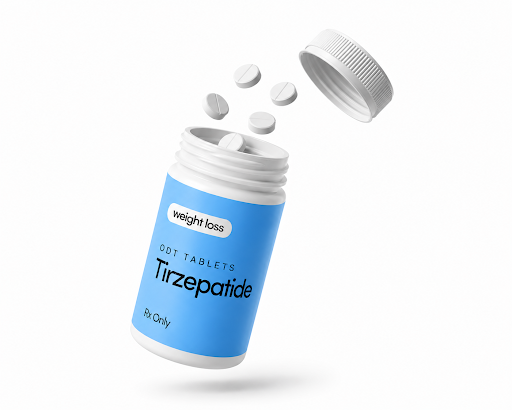
Tirzepatide ODT PillsRx
Dual GLP-1 + GIP Receptor Agonist - Oral Dissolving Tablet
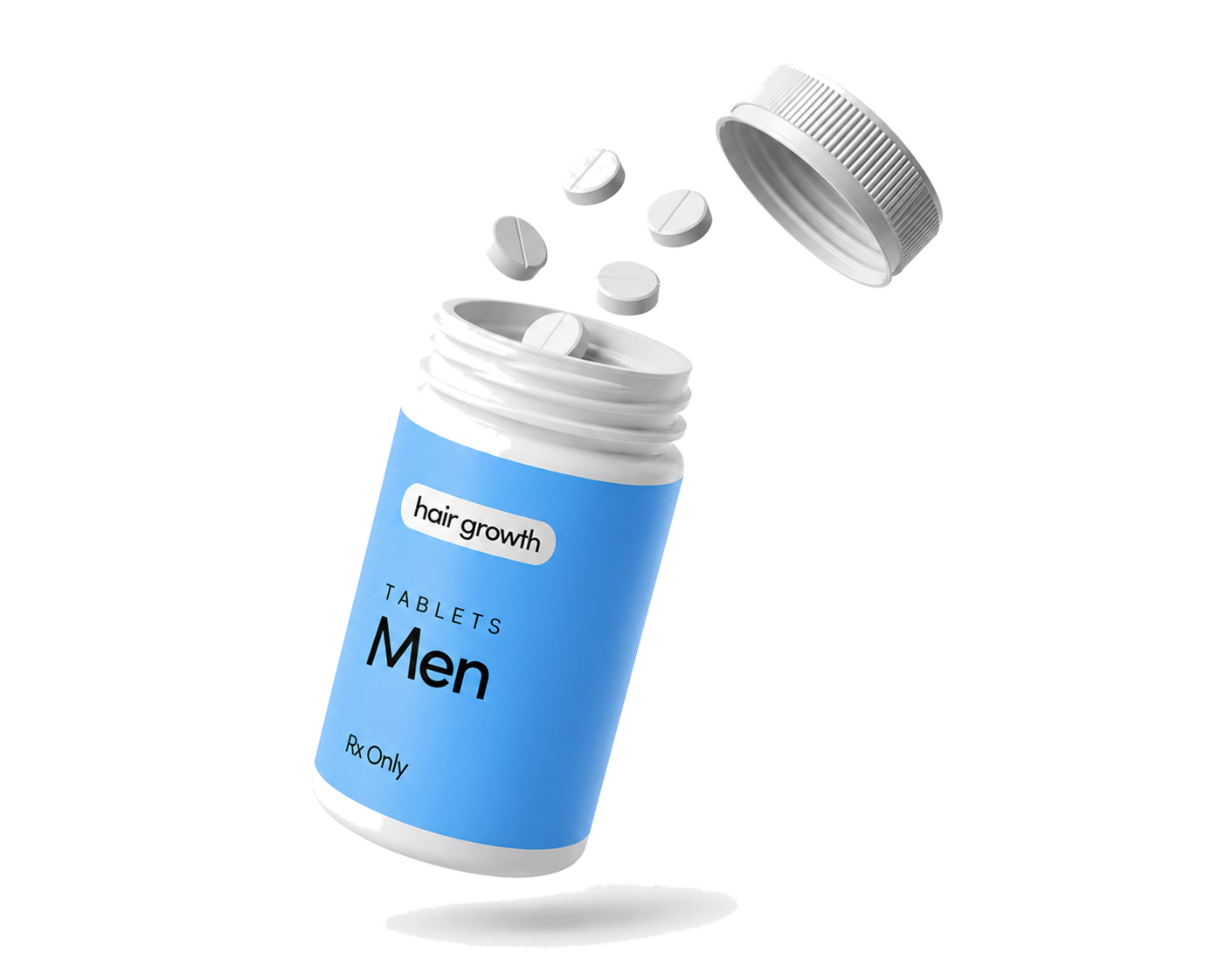
Men's Complete Hair Growth PillRx
Minoxidil, Finasteride, Biotin
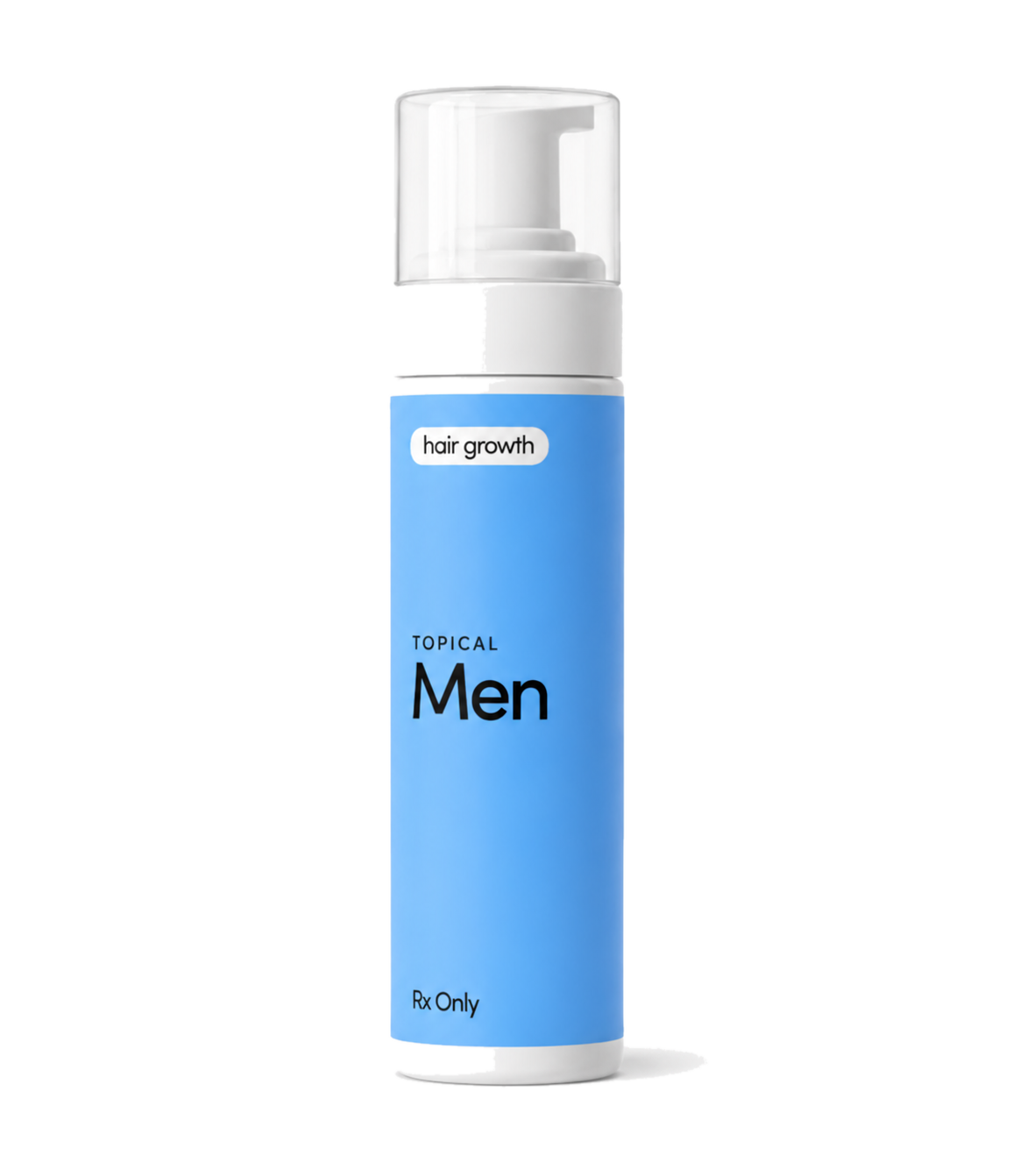
Men's Advanced Hair SprayRx
Minoxidil, Finasteride, Fluocinolone, Tretinoin
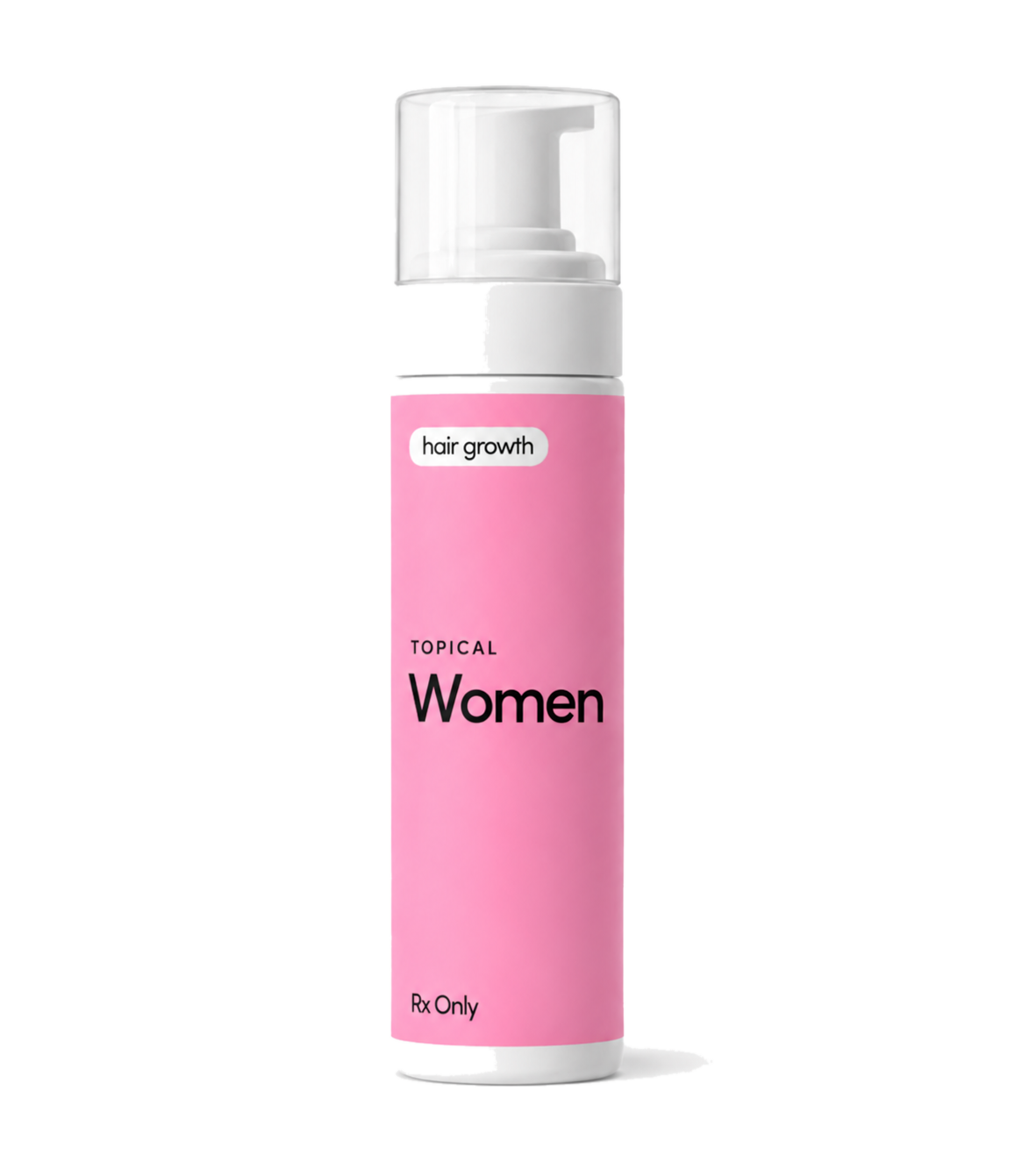
Women's Premium Hair SprayRx
Minoxidil, Tretinoin, Fluocinolone, Biotin, Melatonin
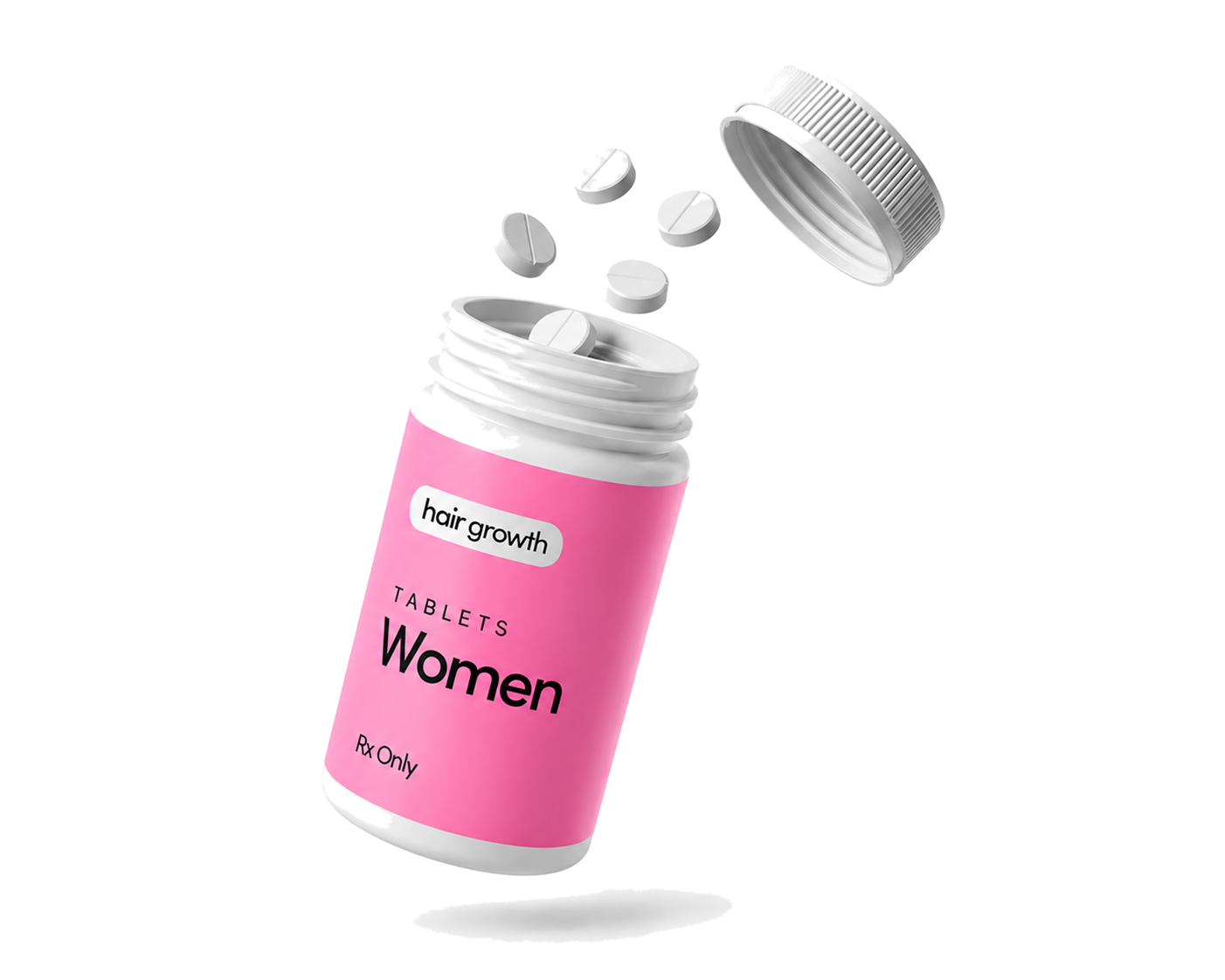
Women's Complete Hair Growth PillRx
Minoxidil, Vitamin E, Biotin

What longer-term Sermorelin care may involve—from IGF-1 and glucose monitoring to side effects, follow-ups, stopping treatment, and periodic reassessment.

How methionine supports methylation, liver lipid processing, phosphatidylcholine, and glutathione pathways—and why that is not the same as burning body fat.

GLP-1 medications can support weight loss without formal workouts—but walking, strength training, protein, and gradual activity can support healthier results.

What semaglutide and tirzepatide studies show about fat mass, lean mass, and muscle—and how protein and resistance training can support strength.

Why hair shedding can appear months into semaglutide or tirzepatide treatment—and how rapid weight loss, nutrition, and telogen effluvium may contribute.

No — Sermorelin is a peptide that signals the pituitary to release growth hormone, not an anabolic steroid. How it differs from testosterone and HGH.

What an online GLP-1 program should include—from licensed-provider evaluation and prescribing to pharmacy dispensing, dosing guidance, follow-up, and support.

Why weight loss can stall on semaglutide or tirzepatide, how to distinguish a true plateau from normal fluctuations, and what to review before changing treatment.
How genetics and DHT cause a receding hairline, crown thinning, and follicle miniaturization—plus the early signs and how finasteride and minoxidil may help.

Why GLP-1 medications shrink waist size: how semaglutide and tirzepatide reduce abdominal and visceral fat, what clinical trials show, and how to track progress beyond the scale.

What BMI qualifies for GLP-1 weight loss treatment, why a BMI of 27 plus a weight-related condition can count, how BMI is calculated, and what providers evaluate beyond the number.

How weekly weight loss injections affect hunger and fullness, how semaglutide and tirzepatide compare, and what to expect from dosing, results, side effects, nutrition, and long-term treatment.

Wegovy doesn't burn fat directly — semaglutide mimics the GLP-1 hormone to reduce hunger, quiet food noise, and make a calorie deficit easier. The mechanism and what STEP 1 showed, explained.

Nausea, constipation, and uncomfortable fullness are common when starting or increasing a GLP-1 dose — but most are mild to moderate and fade as your body adjusts. What the STEP and SURMOUNT trials show.

NAD+ is essential for muscle energy metabolism — but can it speed up recovery? What research says about NAD+, mitochondria, soreness, performance, and the recovery basics that matter most.

Both are antioxidants, but they work differently. How each one functions, whether they work together, what research says about skin and immune support, and how to support both naturally.
Low ferritin has been linked to diffuse hair shedding. What ferritin actually measures, whether you can be iron deficient without anemia, why there's no magic number, and when iron supplements help.

Finasteride lowers DHT — the hormone behind follicle miniaturization in male pattern baldness. How it works, what trials show for regrowth, how long it takes, and what happens if you stop.

Declining estrogen, genetics, nutrition, and stress all play a role in menopausal hair thinning. What female pattern hair loss looks like and which treatments — including minoxidil — can help.

They sound similar — they're not. How MIC + B12 lipotropic injections differ from stimulant-based fat-burning supplements, what the research shows for each, and which fits a medical weight-loss plan.

Stopping Sermorelin ends the extra stimulation of your growth hormone pathway. What happens to GH and IGF-1 levels, whether you need to taper, and what to expect for energy, recovery, and body composition.

Sermorelin is often mentioned alongside testosterone in men's health. What the research actually shows about Sermorelin, growth hormone, IGF-1, and testosterone — and how it compares to TRT.

Fatigue has been reported by some people taking tirzepatide. What clinical trials show, why appetite reduction, dehydration, and blood sugar changes can drain energy, and how to manage tiredness during treatment.

Some patients report hair shedding while taking tirzepatide. What current research says about telogen effluvium, rapid weight loss, nutrition, and whether tirzepatide directly damages hair follicles.

Tirzepatide starts acting soon after treatment begins, but meaningful weight loss usually develops over weeks and months. What SURMOUNT-1 and SURPASS-2 data say about early response, dose escalation, and plateaus.

If you don't like needles, an oral GLP-1 may be worth discussing. How oral semaglutide works, whether a daily pill is more convenient than a weekly injection, and what questions to ask before choosing.

Both are oral semaglutide — but they aren't the same. How Rybelsus' SNAC absorption technology works, how compounded tablets, sublingual forms, and ODTs differ, and why you can't compare them by milligrams alone.

How tirzepatide's dual GIP/GLP-1 mechanism works, what “compounded” actually means, how it differs from Zepbound and Mounjaro, and the dosing and concentration details every patient should confirm.

Nausea is the most common GLP-1 concern — but it's usually worst when starting or increasing a dose, and research shows it typically fades. Median nausea episodes lasted about 8 days in STEP trial analysis.

Already taking semaglutide or tirzepatide? Here's where MIC + B12 fits in — what each treatment does, what Lipo-B won't do, and when providers combine them.

Nausea is one of the most common GLP-1 side effects — especially when starting or increasing a dose. Why some programs include prescription anti-nausea support, and when it's actually appropriate.

The SURMOUNT-5 head-to-head trial finally compared them directly — 20.2% vs. 13.7% average weight loss at 72 weeks. What the research actually shows, and why averages aren't the whole story.

Can glutathione really make skin look brighter? What the research says about glutathione, melanin, and the “glutathione glow” — and what it can't promise.

Absorption, dosing frequency, bioavailability, side effects, and convenience — how oral GLP-1 treatment really compares to the weekly shot, and what the OASIS 1 trial found.

HGH supplies growth hormone directly. Sermorelin signals your pituitary gland to release your own. Here's how the two approaches compare — and why the difference matters.

A GLP-1 vs. a dual GIP/GLP-1 — what the SURMOUNT-5 head-to-head trial found (20.2% vs. 13.7% average weight loss), how side effects and dosing compare, and how to choose.

Methionine, inositol, choline, and vitamin B12 — what each ingredient in a lipotropic injection actually does, and why MIC + B12 is support, not a shortcut.

What “compounded” actually means, how 503A pharmacies and 503B outsourcing facilities differ, why compounded medications aren't individually FDA-approved, and the dosing details every patient should confirm.

Compare NAD+ injections, IV therapy, and oral NAD+ precursors on administration, time commitment, absorption, and how easily each fits into real life.

You don't need diabetes — and you may not need a BMI of 30. The BMI 27 + weight-related condition pathway, what providers actually review, and why insurance coverage isn't the same as medical eligibility.

Compounded semaglutide and brand-name medications like Wegovy and Ozempic aren't the same type of product. How they differ in FDA approval, formulation, dosing, and cost.

Compounded Sermorelin isn't FDA approved — but that answer needs context. What FDA approval actually means, how compounding is regulated, and what to look for before starting.

Semaglutide can be safely prescribed through telehealth — but not every website plays by the rules. The red flags to watch for, from “no prescription needed” sites to “generic Ozempic” claims.

Anything you swallow has to survive your digestive system first. Glutathione injections take a different route — here's why delivery matters as much as dose.

MIC + B12 isn't a fat-burning drug — but the ingredients aren't hype either. What the research shows about methionine, inositol, choline, and B12, and where Lipo-B actually fits.

Sermorelin signals your pituitary to release your own growth hormone — a pathway tied to deep sleep, physical recovery, and healthy aging. Here's what the research says.

Glutathione is your body's own “master antioxidant” — built from three amino acids and used every day for oxidative-stress defense, liver detox pathways, immune function, and skin health.
They look the same in a syringe, but the ingredients aren't. How MIC + B12, plain vitamin B12, and carnitine-based Lipo-C formulas actually differ — and which fits your goals.

What human research actually shows about NAD+ for energy, brain fog, and healthy aging — and why injections can beat a six-hour IV infusion.

Sermorelin is a GHRH peptide that signals your pituitary gland to release your own growth hormone. Here's how it works, how it differs from HGH, and why it's popular for recovery, sleep, and healthy aging.

The three reasons glutathione keeps showing up in wellness: antioxidant defense against oxidative stress, liver detox pathways, and brighter, more even-looking skin.

How NAD+ supports cellular energy, mental clarity and brain fog, and healthy aging — plus what human research actually shows.

NAD+ powers cellular energy, DNA repair, and mitochondrial function — and NAD+ metabolism changes as we age. Here's what NAD+ does and why it declines.