Best Value
from$99/mo
SemaglutideRx
GLP-1 Receptor Agonist

SemaglutideRx
GLP-1 Receptor Agonist
TirzepatideRx
Dual GLP-1 + GIP Receptor Agonist
Semaglutide ODT PillsRx
GLP-1 Receptor Agonist - Oral Dissolving Tablet
Tirzepatide ODT PillsRx
Dual GLP-1 + GIP Receptor Agonist - Oral Dissolving Tablet
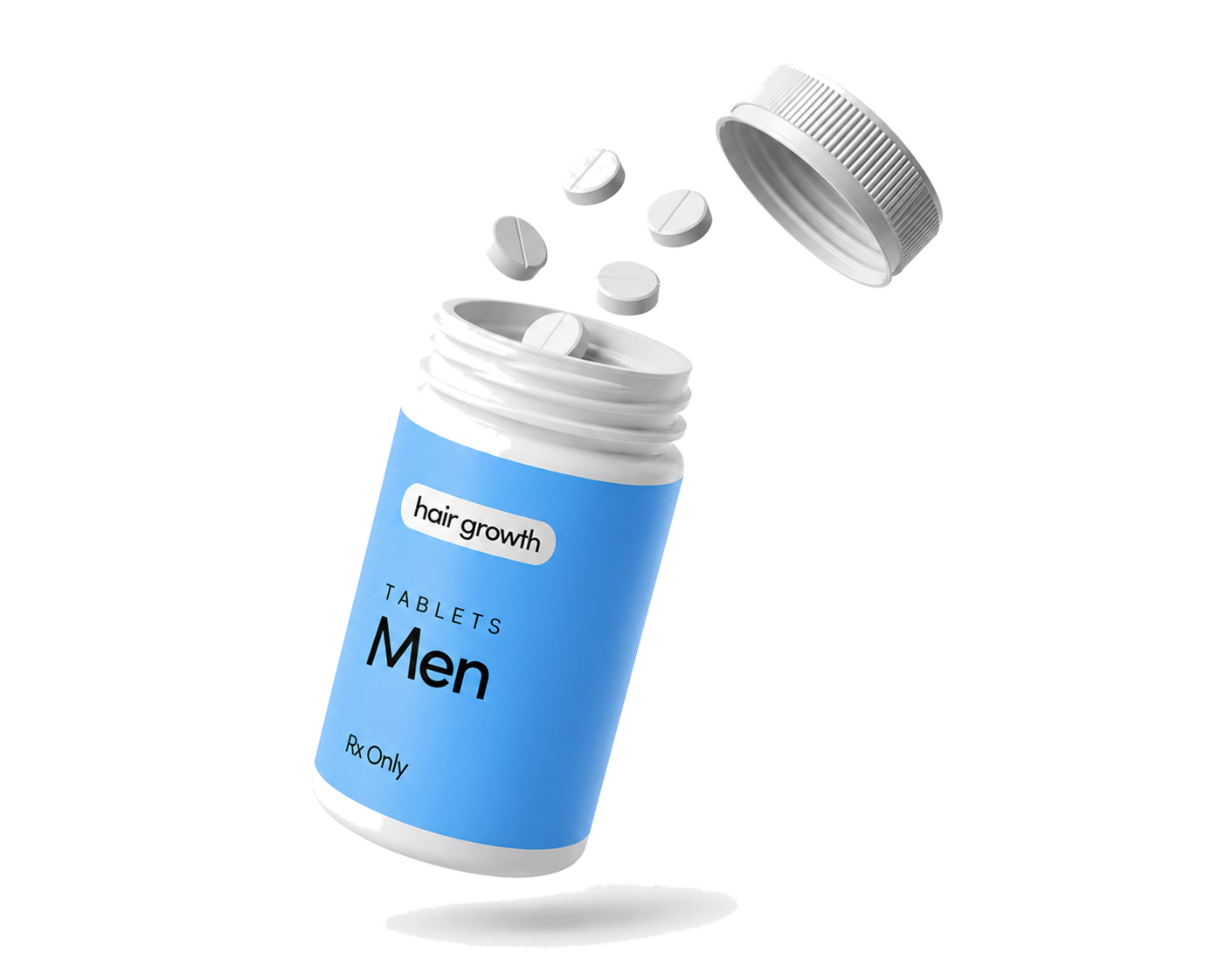
Men's Complete Hair Growth PillRx
Minoxidil, Finasteride, Biotin
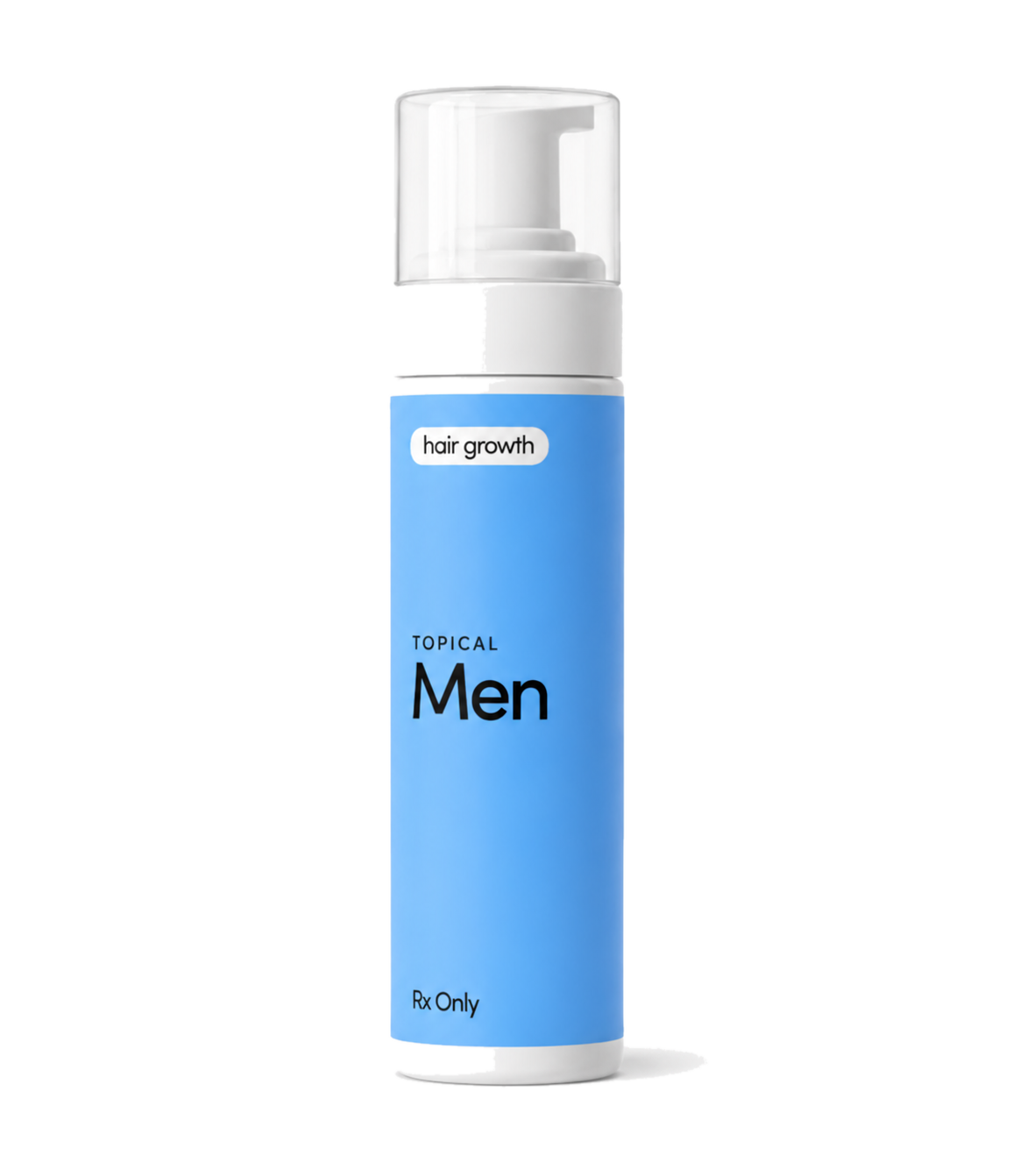
Men's Advanced Hair SprayRx
Minoxidil, Finasteride, Fluocinolone, Tretinoin
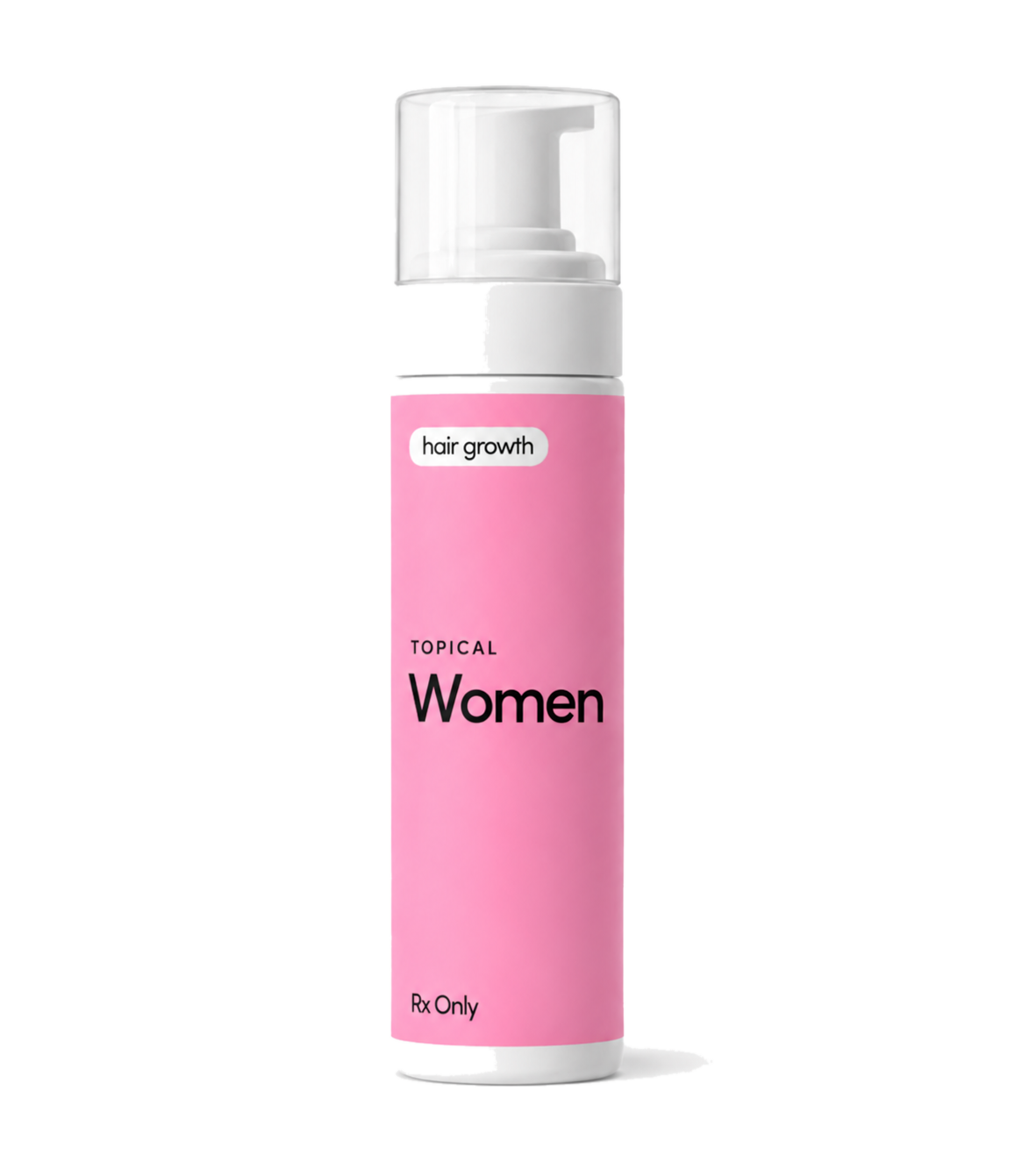
Women's Premium Hair SprayRx
Minoxidil, Tretinoin, Fluocinolone, Biotin, Melatonin
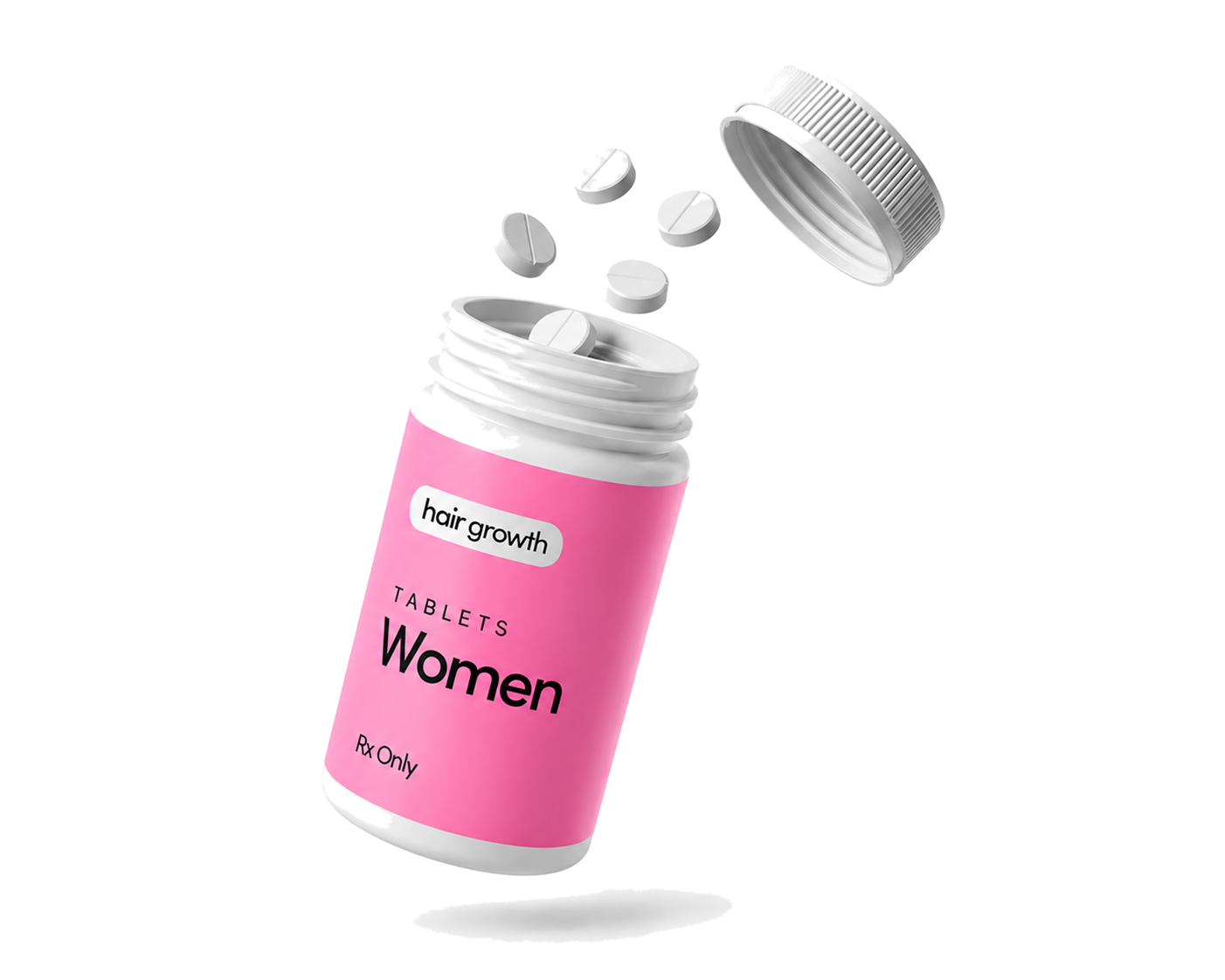
Women's Complete Hair Growth PillRx
Minoxidil, Vitamin E, Biotin
Written by Luma Team
August 26, 2026 · 13 min read

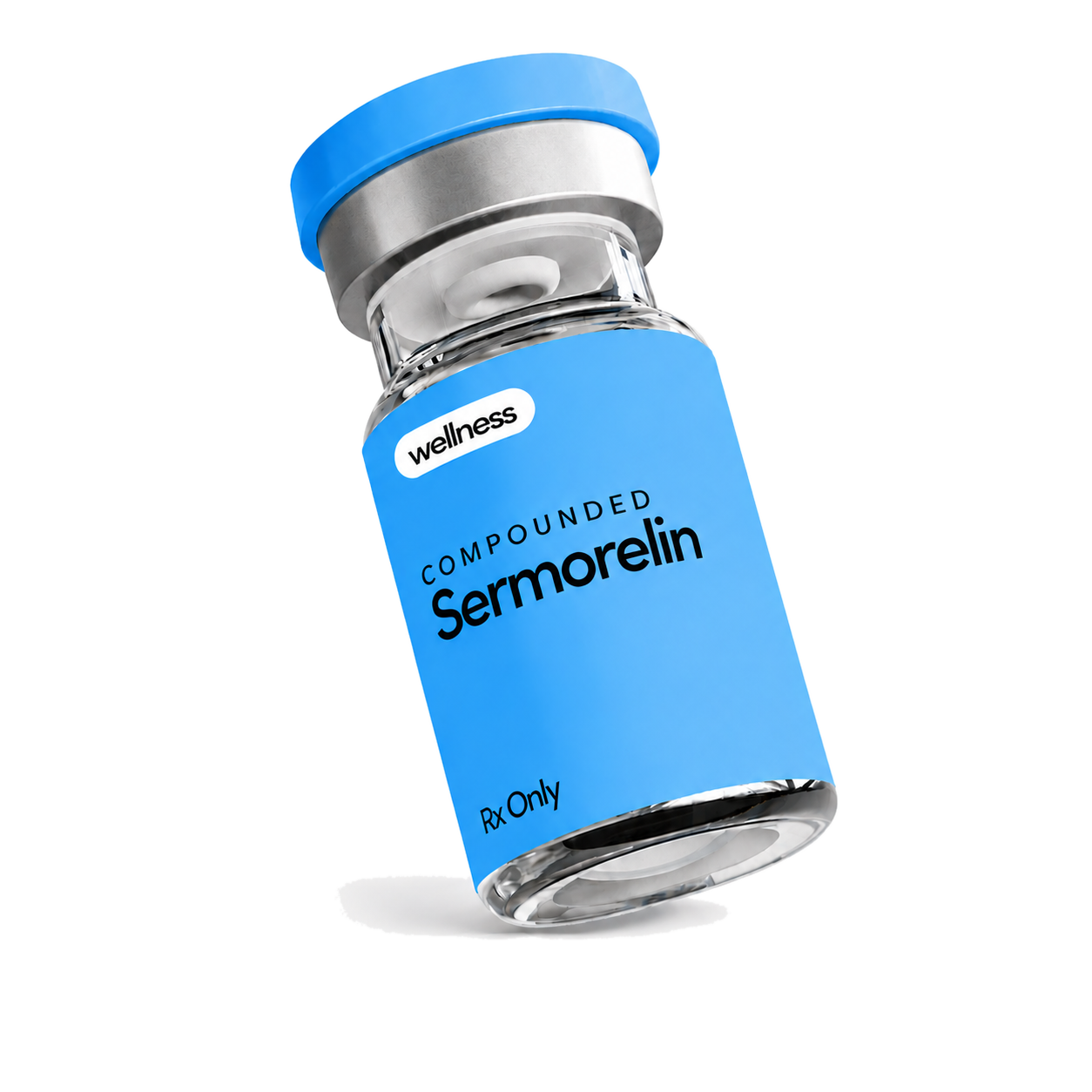
Sermorelin is often discussed as a longer-term treatment rather than something used for only a few days or weeks. That raises an important question: what should you consider if you use Sermorelin over an extended period?
Sermorelin mimics part of the body's natural growth hormone-releasing hormone, or GHRH. Instead of supplying growth hormone directly, it signals the pituitary gland to release growth hormone, which can influence insulin-like growth factor 1, or IGF-1.
Because this is a hormonal pathway, longer-term care deserves more thought than asking whether you feel different. Goals, response, side effects, IGF-1, metabolic health, and changes in medical history can all become relevant.
Long-term treatment should stay intentional
Long-term treatment should stay intentional
The basic pathway is:
The growth hormone pathway
The growth hormone pathway
Growth hormone is naturally released in pulses. Sleep, age, exercise, nutrition, body composition, and other hormones can influence its secretion. Sermorelin stimulates this pathway through GHRH receptors in the pituitary.
No. Sermorelin and human growth hormone are not the same medication.
| Sermorelin | Recombinant human growth hormone | |
|---|---|---|
| What it provides | A GHRH-like signal | Growth hormone itself |
| Primary action | Stimulates the pituitary | Supplies hormone directly |
| Depends on pituitary response | Yes | No in the same way |
This distinction matters, but it does not make ongoing medical review unnecessary. Both approaches affect the growth hormone/IGF-1 axis.
People may explore Sermorelin for goals involving growth hormone signaling, recovery, sleep, body composition, exercise performance, or general wellness and healthy aging.
Evidence for many wellness and “anti-aging” uses is more limited than some marketing suggests. Feeling better does not prove that increasing growth hormone signaling indefinitely will provide additional benefit. Continued treatment should have a clear, individualized reason.
Not necessarily in the sense that benefits continue increasing indefinitely. Hormonal systems are regulated, and response can depend on age, baseline levels, pituitary function, dose, duration, sleep, body composition, and overall health.
An initial measurable rise in IGF-1 does not mean progressively larger increases will continue. The goal is an appropriate clinical response, not maximizing hormone activity.
Growth hormone stimulates IGF-1 production, especially in the liver. IGF-1 mediates many effects of the growth hormone pathway. Unlike growth hormone, which changes substantially because it is secreted in pulses, IGF-1 is relatively more stable.
When clinically appropriate, monitoring may help a provider assess:
No. IGF-1 varies with age and other factors. Levels are generally higher earlier in life and decline with age. Laboratories commonly provide age-adjusted reference ranges, and a provider should interpret results in clinical context rather than chase one universal number.
Growth hormone can reduce insulin sensitivity under some circumstances. That does not mean everyone taking Sermorelin will develop high blood sugar, but metabolic health may deserve attention during longer-term treatment.
That may be especially relevant for people with:
A healthcare provider may consider glucose-related markers as part of individualized care. Monitoring is not one-size-fits-all.
Sermorelin is discussed differently from direct growth hormone, but stimulating the pathway can still produce unwanted effects. Potential concerns may include:
Not everyone experiences these effects. New symptoms should not be dismissed simply because treatment was previously well tolerated.
Growth hormone signaling can influence fluid balance. Puffiness, swelling, changes in how rings or shoes fit, or temporary scale changes can reflect fluid rather than body-fat gain. Persistent or significant swelling deserves medical review.
Increased growth hormone activity can be associated with joint discomfort, stiffness, tingling, or numbness. Persistent numbness, weakness, significant swelling, or worsening pain should be evaluated by a healthcare professional.
Physician-guided care
A licensed healthcare provider can review your goals, response, side effects, health history, and whether continued treatment remains appropriate.
Start your Sermorelin visitSermorelin does not work like direct hormone replacement. It stimulates the pituitary through the GHRH receptor and therefore relies on the body's existing secretory system.
When treatment ends, its stimulatory effect stops. Human research with GHRH-based treatment suggests that treatment-related IGF-1 increases do not remain permanently elevated after discontinuation; levels tend to move back toward the person's underlying physiology.
Sermorelin is not generally described as causing a classic withdrawal syndrome.
What changes after stopping
What changes after stopping
Benefits that depended on the treatment-induced change may gradually diminish. That does not mean the body suddenly becomes unable to produce growth hormone; the underlying age-related and physiological factors that existed before treatment remain.
There is no universal evidence-based rule requiring every patient to follow a specific on-cycle/off-cycle schedule for wellness use. Complicated schedules promoted online should not automatically be treated as medical standards.
Duration should instead reflect why treatment began, clinical response, side effects, relevant laboratory findings, changes in health, and the prescribing provider's assessment.
Potentially. A dose that was appropriate at the beginning may not remain appropriate indefinitely. Weight changes, aging, new medications, health changes, laboratory findings, side effects, and evolving goals can all matter.
More is not automatically better
More is not automatically better
Growth hormone and IGF-1 participate in tissue and body-composition regulation. But Sermorelin is not an anabolic steroid that continuously adds muscle the longer it is used. Resistance training, protein, nutrition, recovery, age, genetics, and hormonal health remain central.
Sermorelin should not be viewed as a long-term fat-burning medication. Growth hormone affects lipid metabolism, but body-fat change still reflects energy intake, energy expenditure, physical activity, and metabolic health. Sermorelin does not override those factors.
Natural growth hormone secretion is closely associated with slow-wave sleep, which is one reason Sermorelin and sleep are often discussed together. Some patients may notice sleep changes, but Sermorelin should not replace evaluation of an actual sleep disorder.
Persistent insomnia, severe snoring, witnessed breathing pauses, excessive daytime sleepiness, or other significant sleep symptoms deserve separate medical evaluation.
Growth hormone secretion generally declines with age, sometimes called the somatopause. That biological change is real, but normal aging and diagnosed growth hormone deficiency are not the same thing.
Increasing a biomarker associated with youth does not prove that aging has been reversed. There is no strong clinical evidence that Sermorelin extends human lifespan, and GH/IGF-1 longevity biology is too complex to reduce to “higher is better.”
IGF-1 participates in normal cell growth and survival signaling, and researchers have studied the GH/IGF-1 pathway in cancer biology for many years. That does not establish that Sermorelin causes cancer.
Because growth-promoting pathways can be relevant in some cancers, a person's cancer history and current medical status matter when a provider considers treatment that increases growth hormone signaling. Patients should give their prescriber a complete, updated history.
There is no single schedule appropriate for every patient.
| Area | Why it may matter |
|---|---|
| Treatment response | Whether the original goal is being met |
| IGF-1 | How the growth hormone pathway appears to be responding |
| Glucose or A1C | Metabolic health when clinically relevant |
| Side effects | New swelling, joint, nerve, or other symptoms |
| Weight and body composition | Changes in context—not as proof of one medication effect |
| Medical history and medications | New factors that may change appropriateness or dosing |
Laboratory values should support clinical judgment rather than replace it. The exact tests and timing depend on the individual.
Long-term care should not become:
What to avoid
What to avoid
Periodic review creates an opportunity to ask:
Sermorelin does not replace resistance training, regular activity, adequate protein, balanced nutrition, consistent sleep, weight management, or cardiovascular care. Medication can influence physiology; it cannot replace the behaviors that support long-term health.
Appropriateness requires individual medical evaluation. Particular attention may be needed for people with significant metabolic disease, a history of certain cancers, pituitary or endocrine disorders, unexplained symptoms, or other conditions that affect the GH/IGF-1 pathway.
This is not an exhaustive list. The prescribing healthcare provider needs an accurate and updated medical history.
Long-term treatment should remain intentional.
Sermorelin stimulates the body's growth hormone pathway rather than directly supplying growth hormone. For people using it over longer periods, the conversation should include goals, clinical response, IGF-1 when appropriate, metabolic health, side effects, changing medical history, and continued need.
There is not strong evidence that pushing growth hormone or IGF-1 higher indefinitely produces greater health or longevity benefits. Evidence supporting long-term Sermorelin use for general wellness and anti-aging remains limited.
At Luma, eligible patients can discuss their goals, medical history, response, and available options with a licensed healthcare provider. If treatment is prescribed, a registered pharmacy—not Luma Meds—prepares and dispenses it.
Luma
Complete a short online visit so a licensed healthcare provider can review whether an available treatment may be appropriate for your individual circumstances.
Start your Sermorelin visitThis article is for educational purposes only and is not intended to provide medical advice, diagnosis, or treatment. Individual treatment decisions should be made with a licensed healthcare provider.
Share this article