Best Value
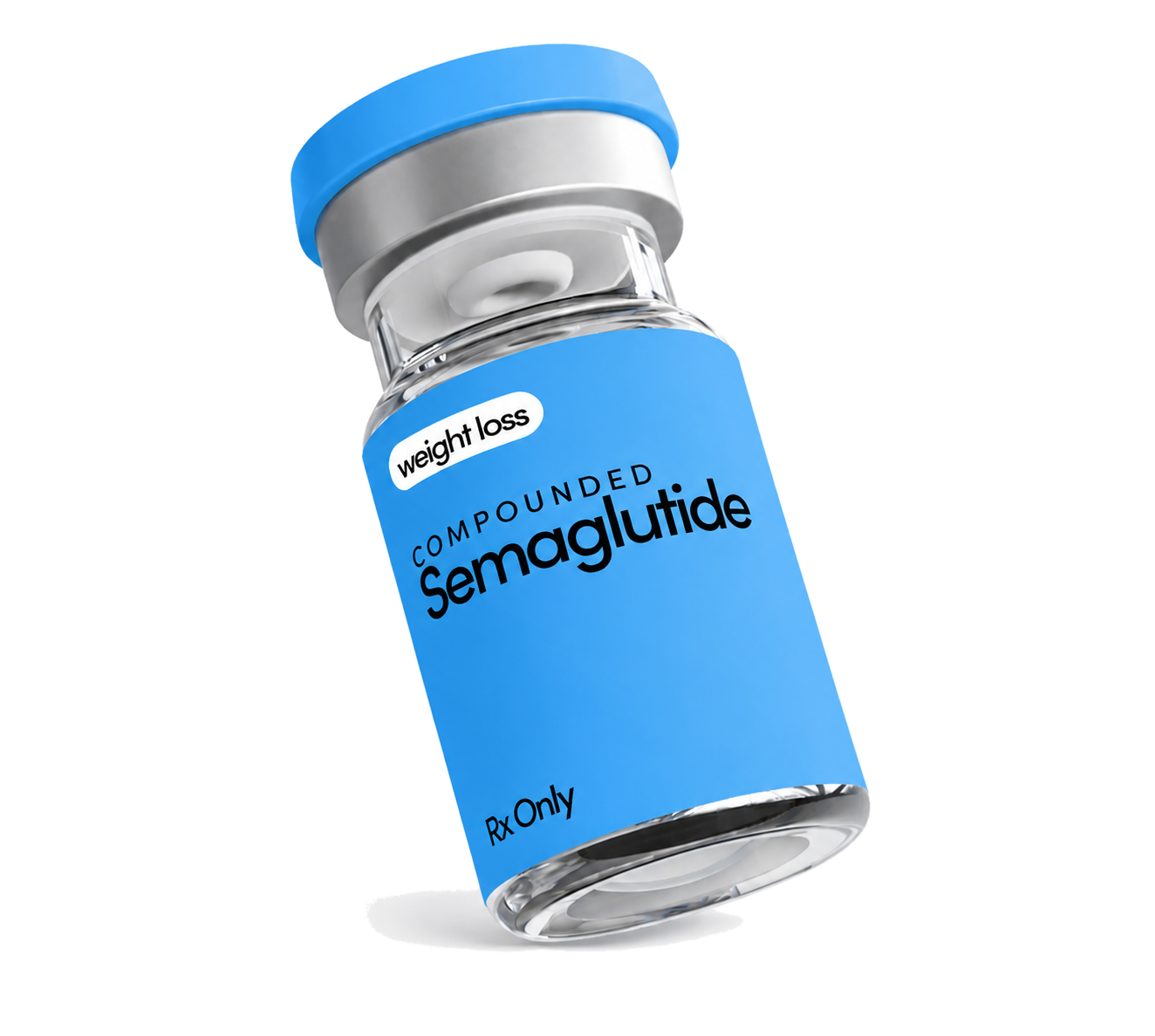
from$99/mo
SemaglutideRx
GLP-1 Receptor Agonist

SemaglutideRx
GLP-1 Receptor Agonist
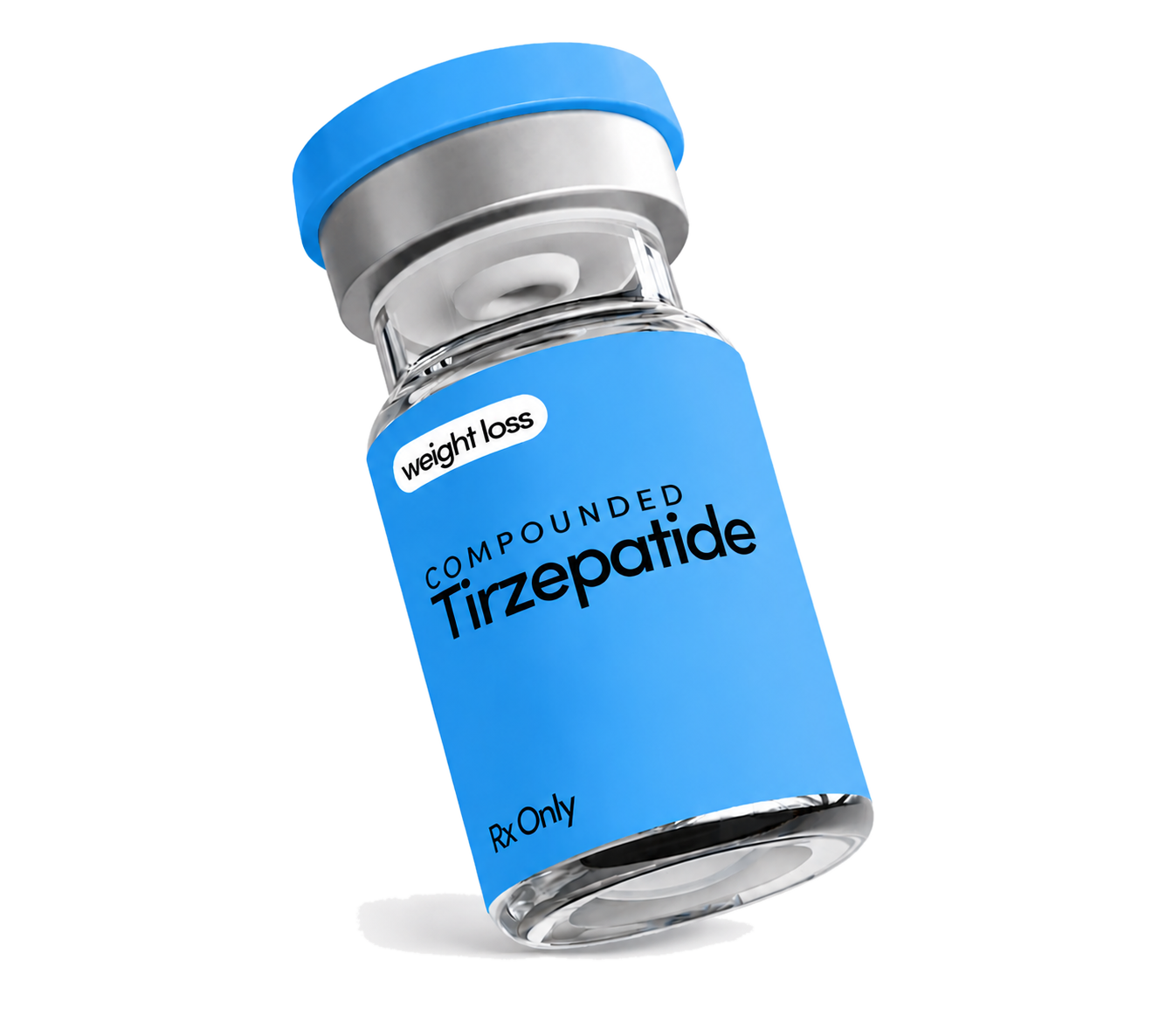
TirzepatideRx
Dual GLP-1 + GIP Receptor Agonist
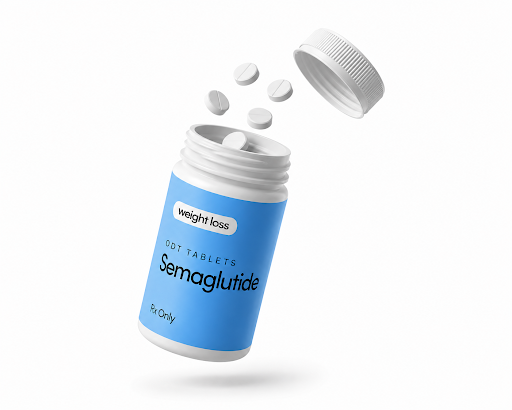
Semaglutide ODT PillsRx
GLP-1 Receptor Agonist - Oral Dissolving Tablet
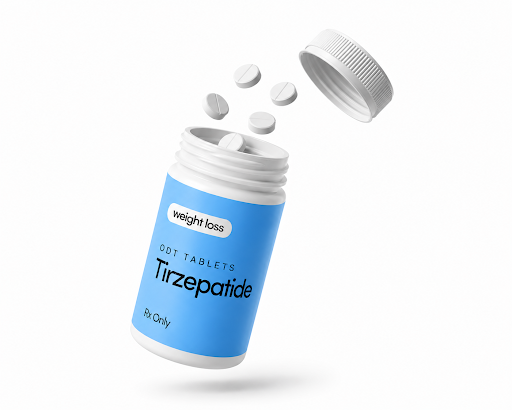
Tirzepatide ODT PillsRx
Dual GLP-1 + GIP Receptor Agonist - Oral Dissolving Tablet

Men's Complete Hair Growth PillRx
Minoxidil, Finasteride, Biotin

Men's Advanced Hair SprayRx
Minoxidil, Finasteride, Fluocinolone, Tretinoin

Women's Premium Hair SprayRx
Minoxidil, Tretinoin, Fluocinolone, Biotin, Melatonin

Women's Complete Hair Growth PillRx
Minoxidil, Vitamin E, Biotin
Written by Luma Team
August 17, 2026 · 10 min read

One of the first changes some people notice during GLP-1 treatment isn't necessarily on the scale.
It's around their waist.
Pants fit more loosely. Belt loops change. Shirts sit differently. And over time, measurements around the abdomen may become noticeably smaller.
Clinical trials of medications such as semaglutide and tirzepatide have consistently reported reductions in waist circumference alongside weight loss.
But why does the waist shrink?
The answer largely comes down to losing body fat — including fat stored around the abdomen.
Waist circumference is simply the distance around your abdomen.
But medically, it can tell us something that body weight and BMI don't.
BMI compares weight with height, but it doesn't tell us where body fat is stored. Waist circumference provides additional information about abdominal fat distribution.
That's important because carrying excess fat around the abdomen is associated with metabolic and cardiovascular health risks.
As someone loses abdominal fat, their waist circumference generally decreases.
GLP-1-based medications can substantially reduce appetite and food intake.
Semaglutide activates GLP-1 receptors, while tirzepatide activates both GIP and GLP-1 receptors.
These medications can help people:
When someone consistently consumes fewer calories than their body uses, the body begins drawing energy from stored tissue. A significant portion of the weight lost comes from body fat.
Some of that fat is stored around the waist and abdomen. As total and abdominal fat decrease, waist circumference often decreases as well.
Not exactly.
You can't instruct the body to remove fat exclusively from one location. GLP-1 medications don't simply travel to the stomach and "burn belly fat."
Instead, weight loss occurs throughout the body.
Where someone loses fat first — and where they lose the most — can vary depending on factors such as:
But because the abdomen is a major location for fat storage, significant overall fat loss can produce substantial changes in waist circumference.
Not all abdominal fat is the same. There are two important types.
| Type | Where it's stored | Why it matters |
|---|---|---|
| Subcutaneous fat | Directly beneath the skin — the softer fat you can generally pinch | Contributes to abdominal size; less strongly linked to metabolic risk |
| Visceral fat | Deeper inside the abdominal cavity, around internal organs | Higher amounts are associated with insulin resistance, type 2 diabetes, and cardiovascular disease |
Reducing visceral fat can therefore matter for more than appearance. It can also represent an improvement in body composition and metabolic health.
Research suggests they can.
Studies examining body composition during treatment with GLP-1-based medications have found reductions in total body fat and abdominal fat.
Research involving tirzepatide has demonstrated reductions in:
In a body-composition substudy of the SURMOUNT-1 trial, participants receiving tirzepatide experienced an average 33.9% reduction in total fat mass over 72 weeks, compared with 8.2% in the placebo group.
That helps explain why someone's physical measurements may change substantially during treatment.
There isn't one number that applies to everyone.
The amount someone's waist shrinks depends partly on how much weight and abdominal fat they lose.
Large clinical trials have documented meaningful reductions.
Generally, greater overall weight loss tends to be associated with larger reductions in waist circumference.
It can.
Body weight is only one measurement.
The number on the scale can fluctuate from day to day because of:
That can temporarily hide changes in body composition.
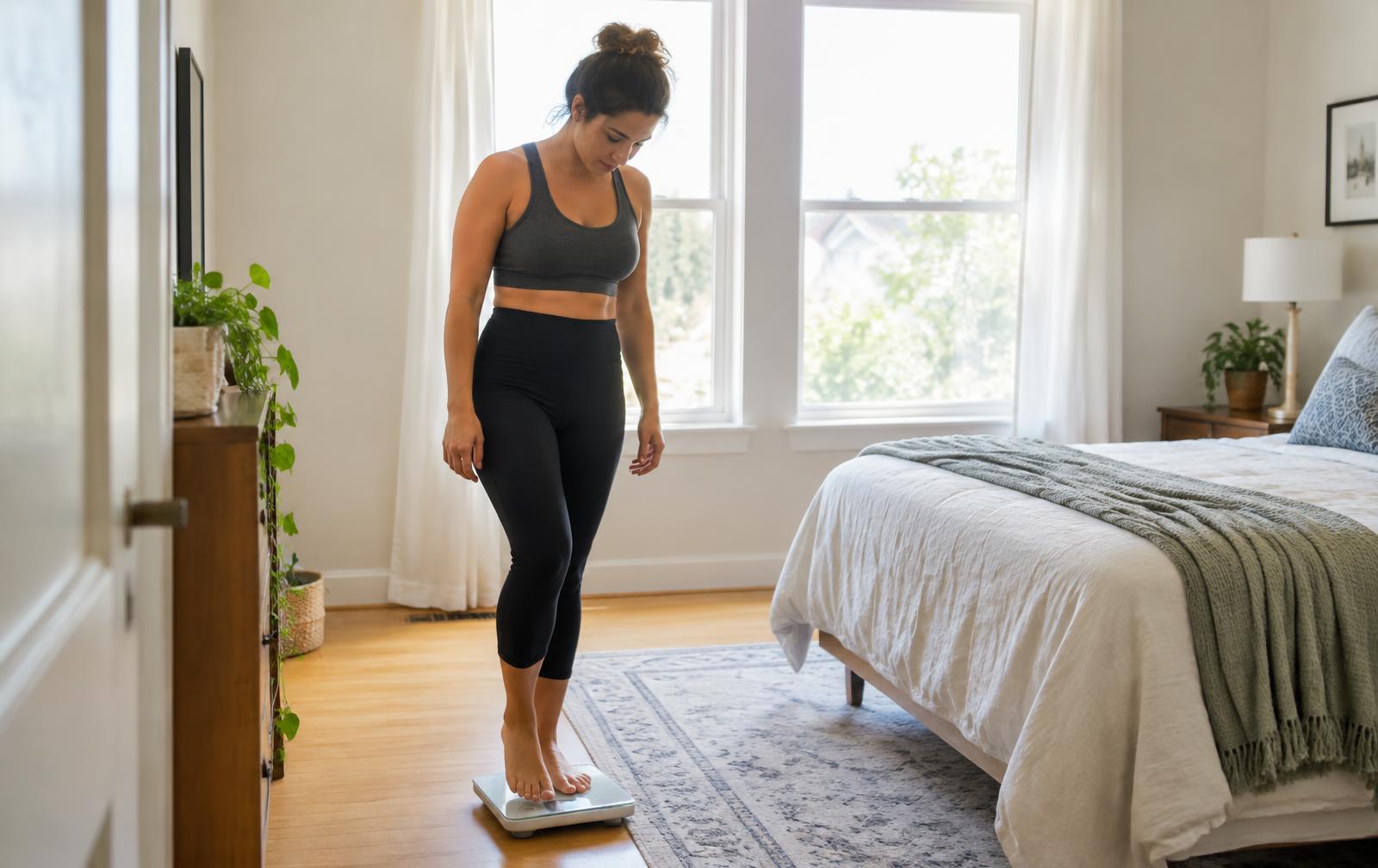
Someone might therefore notice their pants becoming looser even when the scale hasn't moved dramatically that week. This is one reason weight isn't the only useful way to monitor progress.
Imagine two people each lose 20 pounds.
The scale tells us they lost the same amount of weight. But it doesn't tell us:
Tracking waist circumference can provide another piece of information. A decreasing waist measurement can help show that meaningful physical changes are occurring even when day-to-day scale readings fluctuate.
Consistency matters more than repeatedly checking.
If you're tracking waist circumference, try to measure under similar conditions each time:
Checking every day usually isn't necessary. Changes in body fat occur gradually, so measuring periodically may provide a clearer picture than focusing on tiny short-term differences.
A smaller waist can be consistent with reductions in abdominal and visceral fat, but a tape measure can't tell you exactly how much visceral fat you've lost.
Researchers can measure body composition more precisely using tools such as DXA scans, MRI, and CT imaging. These aren't generally necessary for routine weight-loss monitoring.
Waist circumference provides a simple and practical measurement that can be followed over time. Recent research has also found that changes in waist circumference tend to track with changes in visceral adipose tissue at the study level.
Another measurement you may encounter is waist-to-height ratio. It's calculated by comparing waist circumference with height.
Unlike BMI, which looks at overall body weight relative to height, waist-to-height ratio provides additional information about central fat distribution.
Research from the SURMOUNT-1 trial has shown meaningful improvements in waist-to-height ratio categories among adults treated with tirzepatide.
This reinforces that GLP-1-related weight loss can involve more than simply seeing a smaller number on the scale. Body shape and fat distribution can change too.
Potentially, yes.
Excess abdominal fat — particularly visceral fat — is associated with several cardiometabolic risk factors.
As people lose weight and waist circumference decreases, clinical trials of GLP-1-based medications have also documented improvements in measures such as:
Not every improvement comes solely from losing abdominal fat, and GLP-1 medications have metabolic effects beyond weight reduction. But decreasing excess abdominal fat is generally considered a favorable change in body composition.
Weight loss isn't composed entirely of body fat.
Some lean mass is typically lost during significant weight reduction as well. The SURMOUNT-1 body-composition substudy found that tirzepatide-treated participants lost substantially more fat mass than lean mass, but both decreased.
That makes muscle preservation important during GLP-1 treatment.
Helpful strategies can include:
The real goal
The real goal
The goal isn't simply to make your waist as small as possible. It's to improve body composition while supporting muscle and overall health.
Just like body weight, waist circumference won't decrease forever.
As weight loss slows and someone approaches a plateau, changes in waist measurements may slow as well.
A temporary lack of change also doesn't necessarily mean treatment has stopped working. Body weight and measurements don't move in perfectly straight lines.
It's more useful to look at the overall trend across several weeks or months than to judge progress based on one measurement.
Neither measurement tells the complete story.
| Measurement | What it tells you |
|---|---|
| Scale weight | How much your entire body weighs |
| BMI | Your weight relative to your height |
| Waist circumference | Abdominal size and fat distribution |
| Body-composition analysis | More detailed estimates of fat and lean tissue |
Used together, these measurements can give a much clearer picture of progress than focusing exclusively on pounds lost.
GLP-1 medications can reduce waist circumference because they promote substantial weight and fat loss, including fat stored around the abdomen.
Semaglutide and tirzepatide don't specifically target belly fat. Instead, they reduce appetite and food intake, which can create the sustained energy deficit needed for the body to use stored fat.
As total body fat and abdominal fat decrease:
Body weight decreases → abdominal fat decreases → waist circumference often shrinks.
That's why progress doesn't always need to be judged by the scale alone. Changes in waist measurements, how clothing fits, body composition, and overall health can all provide useful information about what is happening during weight loss.
At Luma, eligible patients can complete an online evaluation with a licensed healthcare provider to determine whether an available GLP-1 weight-management treatment may be appropriate for their individual needs.
Physician-guided weight loss
New patient programs start from $99/month. Complete a brief online evaluation, and a licensed provider will review your history and determine whether treatment is appropriate.
Start your online visitThis article is for educational purposes only and is not a substitute for professional medical advice. Prescription treatment requires evaluation and approval by a licensed healthcare provider. Individual results vary.
This article is for educational purposes only and is not intended to provide medical advice, diagnosis, or treatment. Individual treatment decisions should be made with a licensed healthcare provider.
Share this article