Best Value
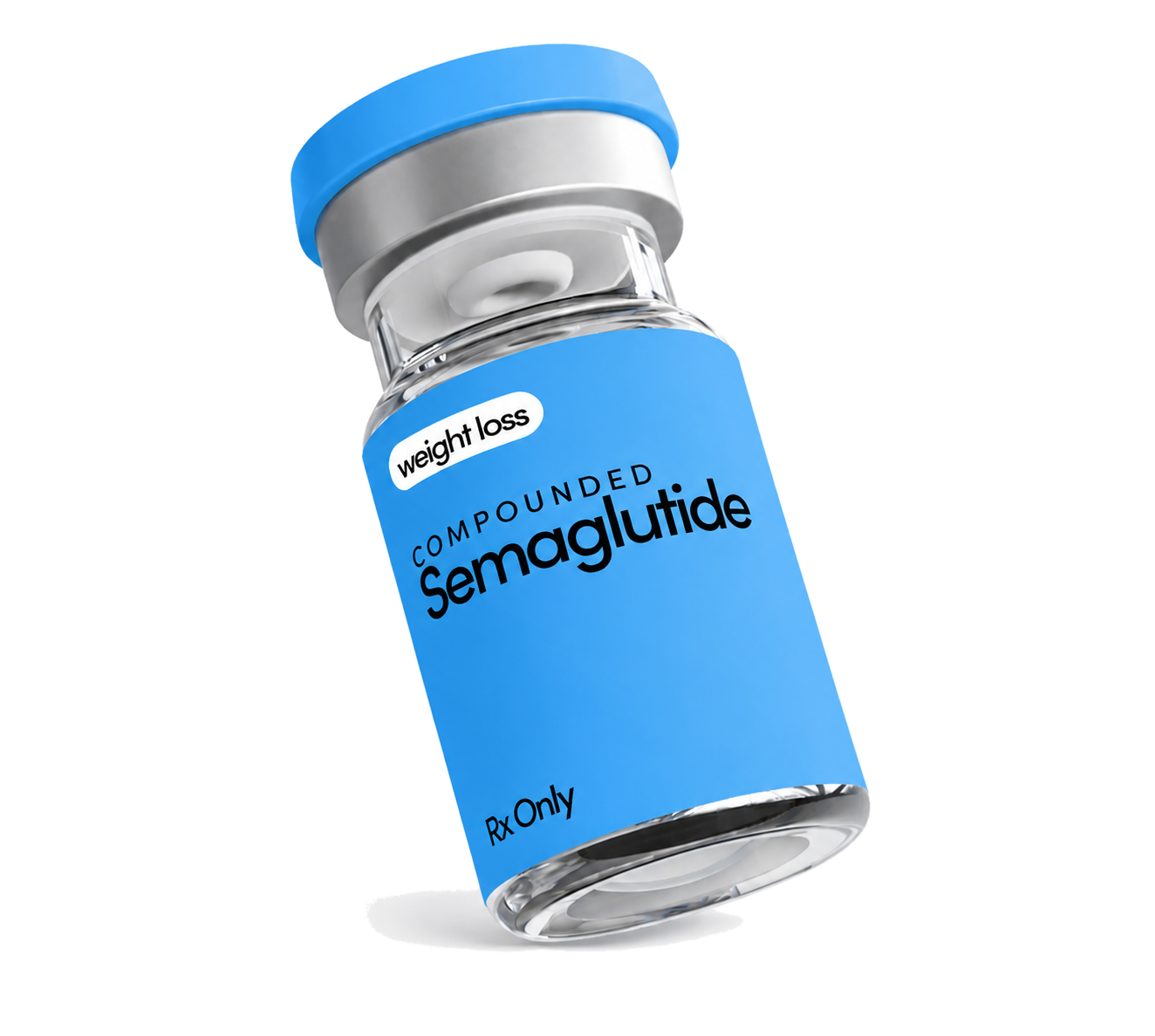
from$99/mo
SemaglutideRx
GLP-1 Receptor Agonist

SemaglutideRx
GLP-1 Receptor Agonist
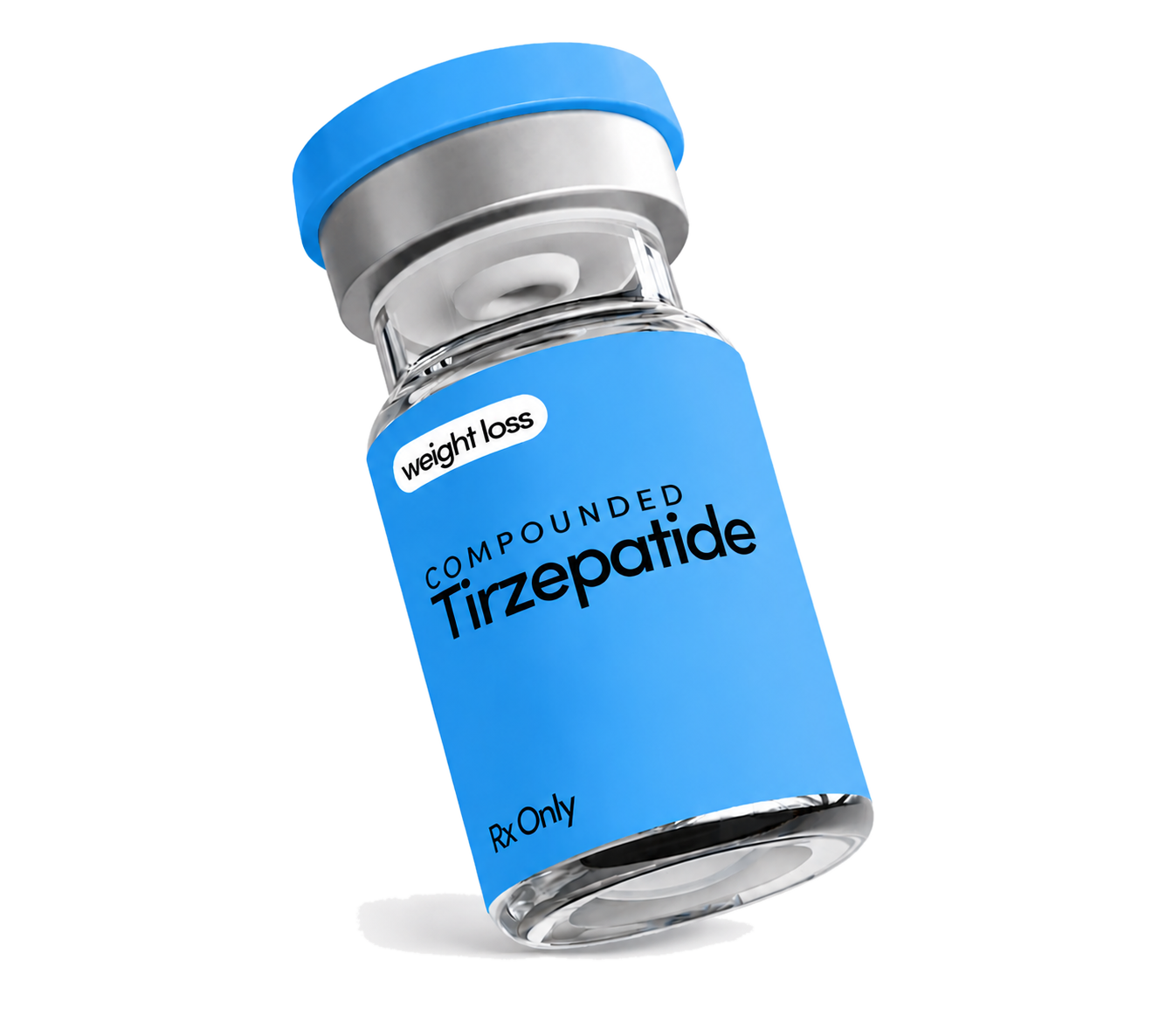
TirzepatideRx
Dual GLP-1 + GIP Receptor Agonist
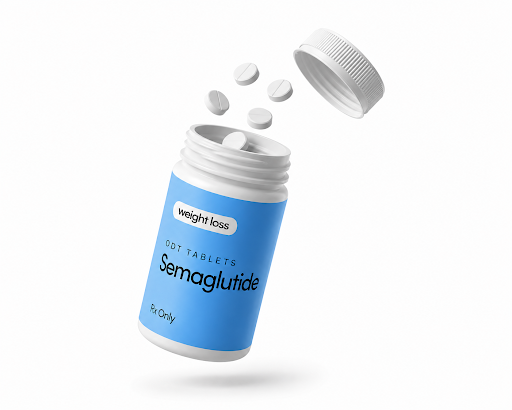
Semaglutide ODT PillsRx
GLP-1 Receptor Agonist - Oral Dissolving Tablet
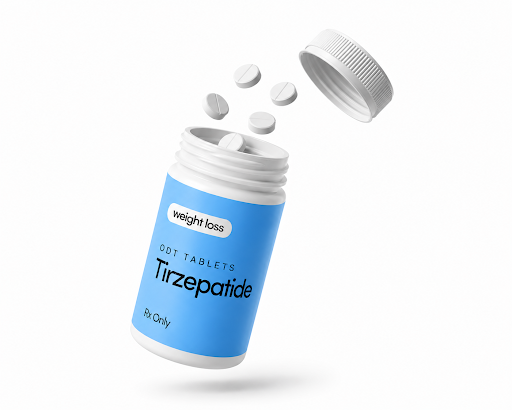
Tirzepatide ODT PillsRx
Dual GLP-1 + GIP Receptor Agonist - Oral Dissolving Tablet

Men's Complete Hair Growth PillRx
Minoxidil, Finasteride, Biotin

Men's Advanced Hair SprayRx
Minoxidil, Finasteride, Fluocinolone, Tretinoin

Women's Premium Hair SprayRx
Minoxidil, Tretinoin, Fluocinolone, Biotin, Melatonin

Women's Complete Hair Growth PillRx
Minoxidil, Vitamin E, Biotin
Written by Luma Team
August 15, 2026 · 13 min read

Weight loss injections have changed the way many people approach medical weight management.
Medications containing semaglutide and tirzepatide can help reduce hunger, increase feelings of fullness, and make it easier for some people to eat less without constantly fighting their appetite.
You may have heard them called:
But what exactly are these medications, how do they work, and what should you expect after starting? Here's the simple explanation.
Most of the weight loss injections people are talking about today belong to a category of medications commonly referred to as GLP-1 medications.
Two of the most widely discussed active ingredients are:
These medications influence biological signals involved in appetite, fullness, food intake, and blood sugar regulation.
Rather than directly burning body fat, they can make it easier to consume fewer calories consistently. Over time, that can result in significant weight loss.
Your digestive system and brain constantly communicate about hunger and fullness.
One of the hormones involved in this process is GLP-1, or glucagon-like peptide-1. GLP-1 is naturally released after eating and helps signal that food has arrived.
Medications such as semaglutide mimic this signaling for much longer than naturally occurring GLP-1. This can help:
Many patients find that they become satisfied with considerably smaller portions than they ate before treatment.
Weight loss isn't controlled by willpower alone.
The brain contains systems that continuously regulate hunger, satiety, and food-seeking behavior. GLP-1 receptors are present in areas involved in this regulation.
When medications such as semaglutide activate these receptors, appetite signals can change. Someone might notice:
Some people describe the last effect as having less “food noise.” Food noise isn't a medical diagnosis, but it's a popular term for frequent or persistent thoughts about food.
Not directly.
GLP-1 medications aren't stimulant-based “fat burners.”
Their primary effect is helping change the biological signals controlling appetite and food intake.
The simplified mechanism
The simplified mechanism
Weight loss injection → Less hunger + greater fullness → Less food intake → Calorie deficit → Weight loss
When your body consistently uses more energy than you're consuming, it begins drawing on stored energy. That includes stored body fat.
Both medications can support significant weight loss, but they aren't identical.
| Medication | Hormone receptors | Found in |
|---|---|---|
| Semaglutide | GLP-1 | FDA-approved products including Wegovy and Ozempic |
| Tirzepatide | GIP and GLP-1 | FDA-approved products including Zepbound and Mounjaro |
The additional GIP activity is one of the major biological differences between tirzepatide and semaglutide.
Both medications affect appetite and metabolic signaling, but clinical trials have shown differences in average weight-loss outcomes. Brand-name products and compounded preparations should not be treated as interchangeable; compounded medications are not FDA-approved and, when prescribed, are prepared by registered pharmacies.
Both semaglutide and tirzepatide can produce substantial weight loss.
In the 2025 SURMOUNT-5 head-to-head clinical trial, researchers directly compared tirzepatide with semaglutide in adults with obesity who did not have diabetes.
After 72 weeks, average body-weight reduction was approximately:
That doesn't mean every person will lose that amount—or that tirzepatide is automatically the right treatment for every patient.
Individual response, tolerability, medical history, cost, availability, and treatment goals can all influence which medication makes sense.
Semaglutide and tirzepatide injections are generally administered once per week. They're given under the skin, known as a subcutaneous injection.
Common injection areas include the:
Patients should follow the specific instructions provided with their prescribed medication because concentrations, devices, and injection instructions can differ.
Many people are nervous about injecting themselves before they start.
The needle used for a subcutaneous injection is typically small because the medication only needs to reach the fatty tissue beneath the skin rather than a muscle or vein.
Depending on the medication, patients may receive a prefilled injection device or medication that requires measuring a prescribed amount from a vial.
If medication is dispensed from a vial, it's especially important to understand the difference between milligrams, milliliters, concentration, and syringe units. The number of syringe units isn't the medication dose by itself.
Always follow the dosing instructions provided by your healthcare provider and dispensing pharmacy.
Weight loss injections usually aren't started at the highest dose. Instead, patients typically begin with a lower dose and gradually increase over time. This process is called titration.
Gradual titration gives the body time to adjust and can make gastrointestinal side effects easier to tolerate.
Semaglutide treatment commonly begins at a low dose before progressing through higher doses. Tirzepatide follows a similar gradual escalation approach.
Higher doses aren't automatically better if they're difficult to tolerate. The appropriate dose depends on the medication, treatment response, side effects, and healthcare provider's instructions.
The medication begins working after treatment starts, but weight loss develops gradually.
Some patients notice changes in appetite relatively early. They may find themselves:
Changes on the scale generally develop over weeks and months. Because doses are gradually increased, the first few weeks are also part of the adjustment process.
Weight loss shouldn't be judged based on the first injection alone.
There's no single number that applies to everyone.
Clinical trials have demonstrated substantial average weight reductions with both semaglutide and tirzepatide.
In the STEP 1 trial, adults receiving semaglutide 2.4 mg lost an average of approximately 14.9% of their starting body weight over 68 weeks, compared with approximately 2.4% with placebo.
In SURMOUNT-1, average weight reduction after 72 weeks with tirzepatide ranged from approximately 15% to 20.9%, depending on the dose studied.
These are averages from controlled clinical trials—not guarantees. Someone's actual results can depend on starting weight, medication, dose, treatment duration, nutrition, physical activity, adherence, and individual biological response.
The most common side effects are gastrointestinal. These can include:
These symptoms are often most noticeable when treatment begins or after the dose increases.
Clinical studies have found that many gastrointestinal side effects are mild to moderate and temporary, particularly during the dose-escalation period. Some people experience very few side effects.
No. This is an important misconception about GLP-1 treatment.
More nausea doesn't mean more weight loss.
Research with semaglutide and tirzepatide has found that gastrointestinal side effects explain only a relatively small portion of the weight loss produced by these medications.
The goal of treatment isn't to make someone too nauseated to eat. Ideally, treatment reduces excessive hunger and helps someone feel satisfied with an appropriate amount of food while still allowing adequate nutrition and hydration.
There's no single mandatory “GLP-1 diet.”
However, because appetite and portion sizes may decrease substantially, food quality becomes increasingly important. Meals can prioritize:
Large, heavy, or particularly fatty meals may be more difficult for some people to tolerate, especially early in treatment. Eating slowly and stopping when you begin feeling full can also help.
Weight loss generally includes some combination of fat mass and lean mass. That's true with GLP-1 treatment and with weight loss more broadly.
The goal shouldn't simply be making the scale drop as quickly as possible. Preserving muscle should also be part of a well-designed weight-management program.
Strategies that can help support lean mass include:
This becomes increasingly important as larger amounts of weight are lost.
The appetite-regulating effects of the medication don't necessarily remain after treatment ends.
Research with semaglutide has demonstrated that substantial weight regain can occur after medication is discontinued. That doesn't mean everyone will regain all of their weight.
But it highlights an important point: weight management often requires a long-term strategy.
That strategy may include medication, nutrition, physical activity, behavioral changes, or a combination of approaches. Patients considering treatment should think beyond simply reaching a target number on the scale and discuss long-term weight maintenance with their healthcare provider.
Weight loss injections aren't appropriate for everyone.
Eligibility depends on factors such as:
A licensed healthcare provider should evaluate whether a prescription weight-management medication is appropriate before treatment begins.
Weight loss injections work primarily by changing the biological signals involved in hunger, fullness, food intake, and metabolism.
Semaglutide activates GLP-1 receptors.
Tirzepatide activates both GIP and GLP-1 receptors.
For many patients, these medications make it easier to feel satisfied with smaller portions and consume fewer calories without experiencing the same level of hunger they may have experienced during previous weight-loss attempts.
They don't directly melt or burn fat.
How weight loss develops
How weight loss develops
Less hunger + greater fullness + lower calorie intake over time can produce significant weight loss.
Treatment typically involves a once-weekly injection, gradual dose increases, ongoing monitoring, and a longer-term plan for nutrition, activity, and weight management.
At Luma, eligible patients can complete an online evaluation with a licensed healthcare provider to determine whether an available weight-loss treatment may be appropriate based on their medical history and individual goals.
Physician-guided weight loss
New patient programs start from $99/month. Complete a brief online evaluation, and a licensed provider will determine whether treatment is appropriate for you.
Start your online visitThis article is for educational purposes only and is not a substitute for professional medical advice. Prescription treatment requires evaluation and approval by a licensed healthcare provider. Individual results and side effects vary.
This article is for educational purposes only and is not intended to provide medical advice, diagnosis, or treatment. Individual treatment decisions should be made with a licensed healthcare provider.
Share this article