Best Value

from$99/mo
SemaglutideRx
GLP-1 Receptor Agonist

SemaglutideRx
GLP-1 Receptor Agonist
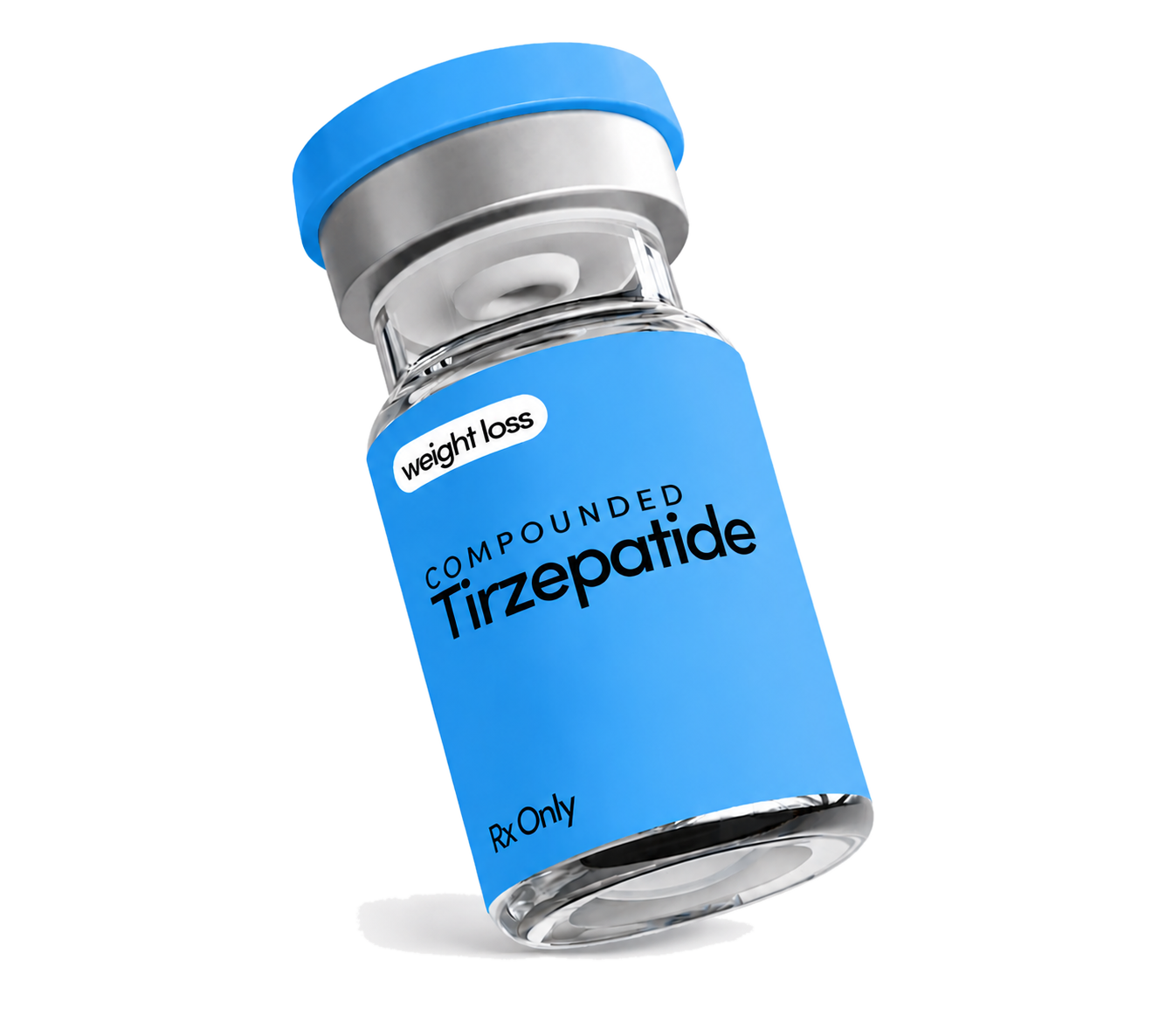
TirzepatideRx
Dual GLP-1 + GIP Receptor Agonist

Semaglutide ODT PillsRx
GLP-1 Receptor Agonist - Oral Dissolving Tablet

Tirzepatide ODT PillsRx
Dual GLP-1 + GIP Receptor Agonist - Oral Dissolving Tablet

Men's Complete Hair Growth PillRx
Minoxidil, Finasteride, Biotin

Men's Advanced Hair SprayRx
Minoxidil, Finasteride, Fluocinolone, Tretinoin

Women's Premium Hair SprayRx
Minoxidil, Tretinoin, Fluocinolone, Biotin, Melatonin

Women's Complete Hair Growth PillRx
Minoxidil, Vitamin E, Biotin
Written by Luma Team
August 20, 2026 · 12 min read

GLP-1 weight-loss treatment has become increasingly available through telehealth. Instead of repeatedly traveling to a doctor's office, eligible patients may be able to complete an evaluation online, communicate with a licensed healthcare provider, receive a prescription when medically appropriate, and have medication delivered to their home.
But a GLP-1 program should involve more than simply ordering medication online. A well-designed telehealth program includes medical evaluation, appropriate prescribing, dosing guidance, ongoing monitoring, and access to clinical support throughout treatment.
A telehealth GLP-1 program provides medical weight-management services remotely through a secure online platform. Depending on the program and what is medically appropriate, treatment options may include medications containing semaglutide, tirzepatide, or another prescription weight-management medication.
The central principle
The central principle
In practical terms, medically guided treatment means a qualified, licensed healthcare provider evaluates whether prescription treatment is appropriate and oversees the patient's care. Depending on state law and the platform, care may be provided by a licensed physician or another qualified licensed prescriber, such as a nurse practitioner or physician assistant.
The provider may review:
This information helps the provider determine whether a GLP-1-based treatment may be appropriate for that individual.
Most telehealth programs begin with an online medical questionnaire. Patients may be asked about current weight and height, weight history, health conditions, prescriptions, previous surgeries, allergies, pregnancy status when relevant, previous GLP-1 use, and current symptoms.
Patients should answer accurately. Information that may seem unrelated to weight loss can still influence whether a medication is appropriate.
Submitting a questionnaire is not the same as automatically receiving a prescription. A licensed healthcare provider should review the patient's information and decide whether treatment is medically appropriate.
A legitimate prescription program should not guarantee medication before a clinical evaluation occurs.
Not always.
Depending on the patient's circumstances and applicable state requirements, an evaluation may involve a secure medical questionnaire, messaging, a phone consultation, or a video visit. An asynchronous evaluation may be appropriate in some situations, while others require additional communication or a synchronous visit.
The important part is that an actual licensed healthcare provider evaluates the patient rather than a prescription being generated automatically from a checkout form.
If treatment is appropriate, the provider can determine which available option may best fit the patient. Semaglutide and tirzepatide are commonly discussed, but they are not identical medications.
| Medication | Receptor activity | What may inform the choice |
|---|---|---|
| Semaglutide | Primarily activates the GLP-1 receptor | History, goals, tolerance, availability, provider assessment, and cost |
| Tirzepatide | Activates both GIP and GLP-1 receptors | History, goals, prior treatment, tolerance, availability, provider assessment, and cost |
Both can reduce appetite and food intake. The most appropriate option is not necessarily the same for every patient.
GLP-1 medications are generally started at lower doses and increased gradually according to the treatment plan. This process is called titration.
Starting low and escalating gradually can help the body adjust. Gastrointestinal effects such as nausea, vomiting, diarrhea, constipation, and abdominal discomfort can be harder to tolerate when treatment is increased too quickly.
Dosing instructions are especially important when medication is dispensed in a multidose vial. A prescribed dose in milligrams and the units marked on a syringe are not interchangeable measurements. The number of syringe units depends on the medication's concentration.
Dose is not syringe units alone
Dose is not syringe units alone
After a prescription is issued, medication is dispensed by a pharmacy authorized to fill it. Depending on the prescription, a patient may receive a commercially manufactured medication or a compounded medication when legally permitted and medically appropriate.
Patients should know what they are receiving. The label should identify the drug, strength or concentration when applicable, patient directions, dispensing pharmacy, and storage instructions.
Compounded medications are different from FDA-approved commercial products such as Wegovy or Zepbound. Compounded drugs are not FDA-approved, and the FDA does not review their safety, effectiveness, or quality before they reach patients.
Qualified compounding pharmacies may prepare medications under specific federal and state requirements when legally permitted and medically appropriate. A compounded medication should not be described as generic, bioequivalent to, or interchangeable with an FDA-approved product.
Patients should be told:
Many telehealth programs arrange for the dispensing pharmacy to ship medication directly to the patient's home. Depending on the treatment, the package may include medication, administration supplies, alcohol pads, dosing directions, and storage information.
Review the shipment when it arrives and follow the pharmacy's storage instructions. Ask about damaged packaging, temperature exposure, missing supplies, or unexpected medication appearance before use.
The first shipment should not be the end of medical care. During treatment, the care team may monitor weight changes, appetite, side effects, medication tolerance, dose progression, adherence, nutrition, changes in health, and new medications.
Follow-up may happen through secure messaging, online check-ins, phone calls, video visits, or questionnaires. What matters is that patients have a clear way to reach the clinical team when questions or problems arise.
Common side effects of GLP-1-based medications are gastrointestinal and can include nausea, constipation, diarrhea, vomiting, abdominal discomfort, indigestion, and reduced appetite. Symptoms may be more noticeable when treatment begins or the dose increases.
A healthcare provider can help determine whether symptoms may be managed conservatively, whether dose escalation should be reconsidered, or whether further evaluation is needed. The goal is not to make someone so nauseated that they cannot eat; treatment should remain tolerable while supporting appropriate nutrition and hydration.
Medication can reduce appetite considerably, making adequate nutrition more important—not less. Patients still need protein, fluids, fiber, vitamins, minerals, essential fats, and other nutrients.
Significant weight loss can include some lean tissue. Adequate protein, resistance training, regular activity, and avoiding unnecessarily severe calorie restriction can help support muscle and physical function.
The goal is not the fastest possible drop on the scale
The goal is not the fastest possible drop on the scale
Weight loss is rarely linear. Faster initial loss may be followed by a slower period, weeks with little change, and eventually a plateau. That does not automatically mean the medication stopped working.
As body weight decreases, energy requirements generally decrease too. A good telehealth program should help patients understand these changes rather than treating every plateau as an automatic reason to increase the dose.
No. Higher is not automatically better.
Some patients may progress according to the medication's schedule; others may need a different approach. Patients should not change their medication independently.
| Area | What to verify |
|---|---|
| Medical evaluation | A licensed healthcare provider reviews your history before prescribing |
| Medication | The program clearly explains which treatments may be available |
| Pharmacy | You can identify the pharmacy dispensing your prescription |
| Pricing | Medication, membership, consultation, and shipping costs are understandable |
| Dosing | You receive clear dose, concentration, and administration instructions |
| Clinical support | You can contact the care team after treatment begins |
| Cancellation and renewal | Recurring billing, refills, and cancellation terms are clear |
These details matter just as much as the advertised monthly price.
Patients should be cautious when a program:
Convenience should not require sacrificing transparency.
Telehealth itself does not determine whether treatment is appropriate or safe. What matters is the quality of care behind the platform.
Patients also play an important role by providing accurate medical information and communicating health changes throughout treatment.
A telehealth GLP-1 program should be more than “order medication and wait for a package.” A medically guided program should follow a clear care pathway.
A complete telehealth care pathway
A complete telehealth care pathway
The convenience of telehealth can make weight-management care easier to access, but clinical oversight remains important. Patients should know what they are receiving, understand how to use it, know where it was dispensed, and have a clear way to contact their care team.
At Luma, eligible patients can complete an online medical evaluation reviewed by a licensed healthcare provider. When treatment is medically appropriate and prescribed, patients receive dosing guidance and ongoing support throughout their weight-management journey.
Physician-guided weight management
Complete your online medical intake. Prescription treatment is provided only when a licensed healthcare provider determines it is medically appropriate.
Start your online visitThis article is for educational purposes only and is not a substitute for professional medical advice. Prescription treatment requires evaluation and approval by a licensed healthcare provider. Medication availability and eligibility depend on individual circumstances and applicable requirements. Individual results vary.
This article is for educational purposes only and is not intended to provide medical advice, diagnosis, or treatment. Individual treatment decisions should be made with a licensed healthcare provider.
Share this article